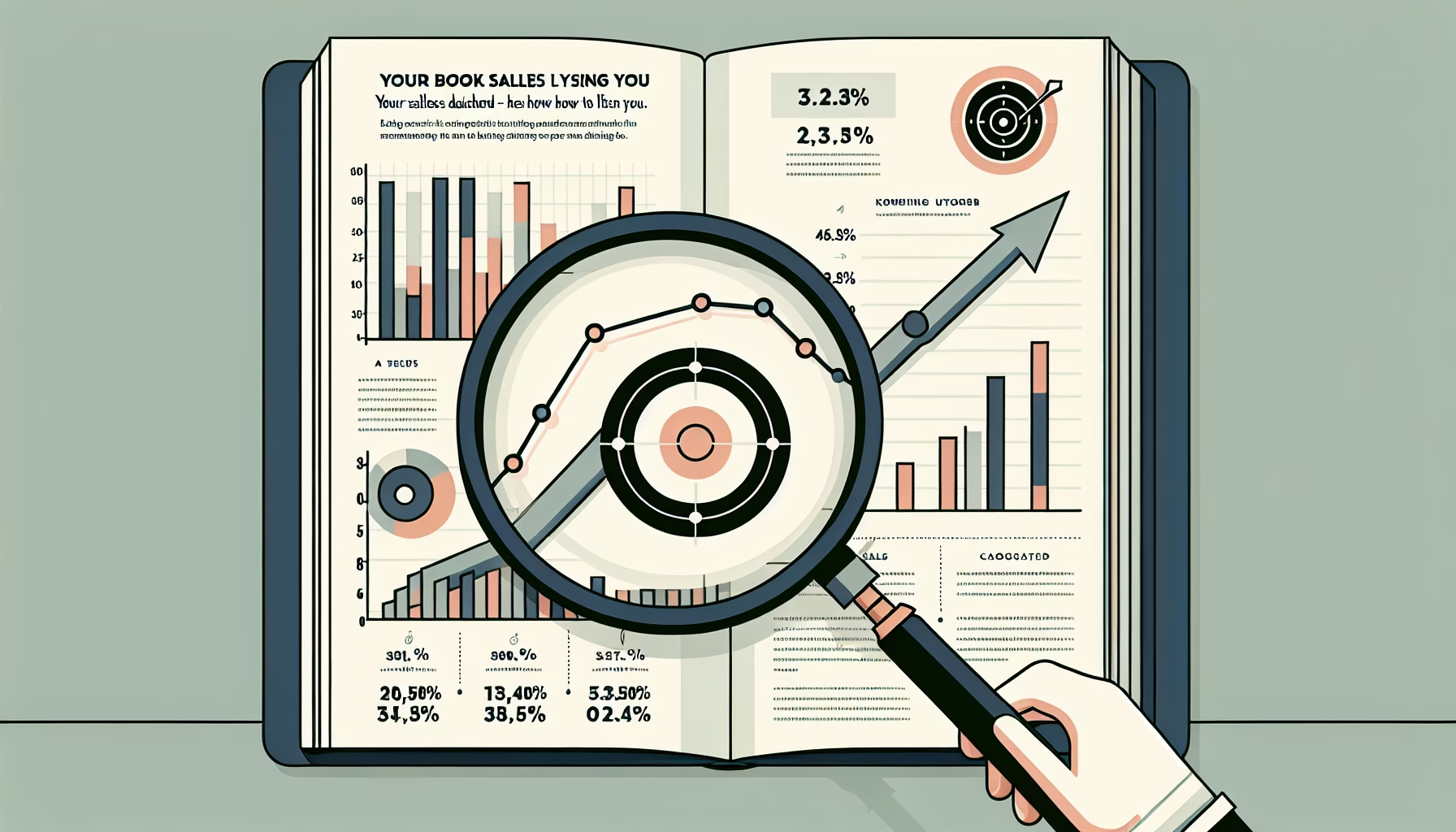
Most authors check their sales numbers the way I used to check my bathroom scale: with equal parts hope and dread, treating every fluctuation as cosmic judgment.
- Sales numbers aren’t report cards for your writing talent; they’re breadcrumbs showing where readers find you
- Format preferences reveal everything about your audience’s lifestyle and buying habits
- Tracking trends over time beats obsessing over daily totals every single time
The Mood Ring Problem
Here’s the thing about treating your dashboard like validation: it turns you into a marketing zombie. Good day? You’re a genius. Bad day? Time to burn everything down and start a pottery business.
But those numbers aren’t judging your prose. They’re whispering secrets about reader behavior, and once you learn their language, everything changes.
The Numbers That Actually Talk Back
Forget vanity metrics. These three data points will reshape how you think about reaching readers:
Format Split: Your Reader’s Lifestyle Portrait
If 80% of your sales happen in print, your audience touches books like artifacts. They want the weight, the smell, the ritual. Market to bibliophiles who browse bookstores on weekends.
Kindle dominance? You’ve got impulse buyers who read on lunch breaks. Audiobook spikes mean you’re reaching people who fold laundry while consuming stories.
This insight transforms everything from cover design (which AI image generation tools can help test) to where you spend ad dollars.
Time Is Your Best Friend
Raw sales numbers are like snapshots taken in bad lighting. Trends over weeks and months? That’s your real movie.
Did that podcast mention spike your numbers? Track it. Did changing your book description flatten sales? Note it. This detective work separates authors who stumble into success from those who engineer it.
Whether you’re crafting stories with AI fiction writing tools or managing your publishing pipeline through comprehensive distribution platforms, data-driven decisions always outperform gut feelings.
From Dashboard Drama to Strategic Clarity
I used to refresh my sales page like a slot machine addict. Now I check it weekly, armed with questions instead of anxiety:
- Which retailer drove the most sales this month?
- What format is gaining ground?
- Where did that sales bump actually come from?
Your sales dashboard isn’t a crystal ball or a therapy session. It’s a compass pointing toward readers who are already looking for what you write. Follow those signals, and marketing stops feeling like shouting into the void.