When Silicon Valley’s Fastest Engineers Let AI Write Their Code

NVIDIA engineers are using AI tools like Codex and GPT-5.5 to build production systems, signaling a fundamental shift in how elite technologists approach software development. This isn’t just about coding faster—it’s about redefining what constitutes “real work” in the age of AI assistance.

When Car Dealers Get Smarter Than Your Last Job: AutoScout24’s AI Revolution

AutoScout24’s systematic approach to AI integration offers a masterclass in enterprise AI adoption, proving that real transformation happens through workflow integration rather than flashy experiments. Their success with Codex and ChatGPT demonstrates how traditional industries can lead AI innovation.

When Excel Spreadsheets Meet Their AI Overlord: Finance Teams Embrace the Robot Revolution

Finance teams are revolutionizing their workflows by using AI coding tools to automate everything from monthly business reviews to complex financial modeling. This shift from manual spreadsheet wrestling to natural language programming represents a fundamental change in how financial professionals approach data analysis and reporting.

Finance Teams Are Speaking Robot Now (And Honestly, It’s About Time)

Finance teams are revolutionizing their workflows by using AI coding tools like Codex to automate everything from monthly reports to complex variance analysis. This technological shift is transforming number-crunchers into strategic advisors, finally freeing them from spreadsheet prison to focus on insights that actually matter.

When 1,000 Nerds Play Golf: What Parameter Golf Reveals About AI’s Creative Limits

Parameter Golf brought together over 1,000 researchers to build AI models under strict constraints, revealing that artificial limitations spark more innovation than unlimited resources. The competition’s 2,000+ submissions proved that collaborative constraint-based development often outperforms isolated, well-funded research labs.

When Characters Make Terrible Decisions: The Hidden Power of Fear in Fiction

Fear doesn’t just influence character emotions—it completely rewrites their perception of reality, hijacks logical thinking, and creates those cringe-worthy decisions that make fiction feel authentically human. Understanding fear’s mechanics helps writers craft characters whose flawed responses resonate with readers’ own experiences.

The Comics Paradox: When a Booming Market Leaves Creators Behind

The UK comics market surged 14% in growth, creating a troubling paradox where industry success doesn’t translate to creator prosperity. This disconnect reveals fundamental structural issues in how creative industries distribute wealth and support the artists who fuel their growth.

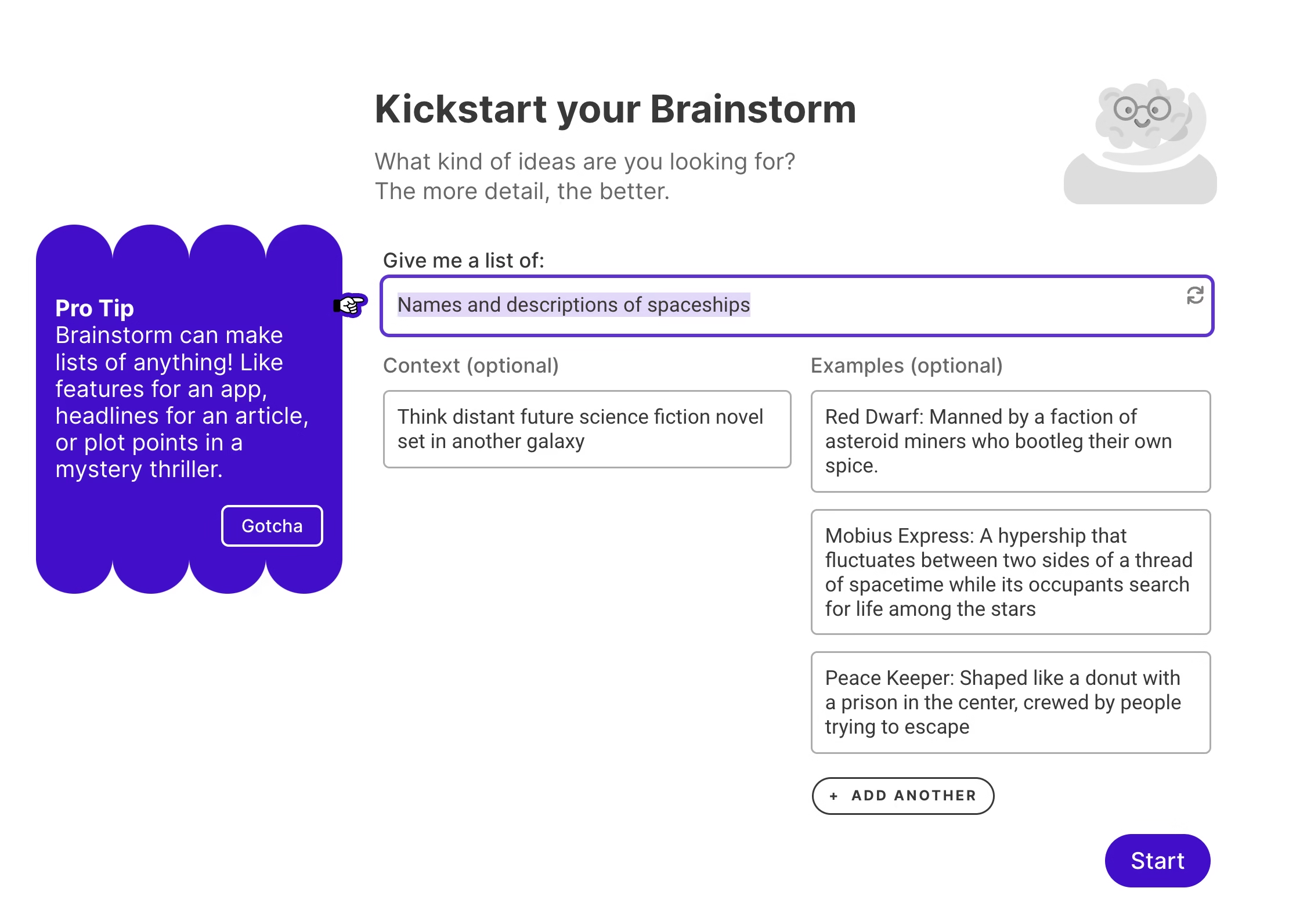
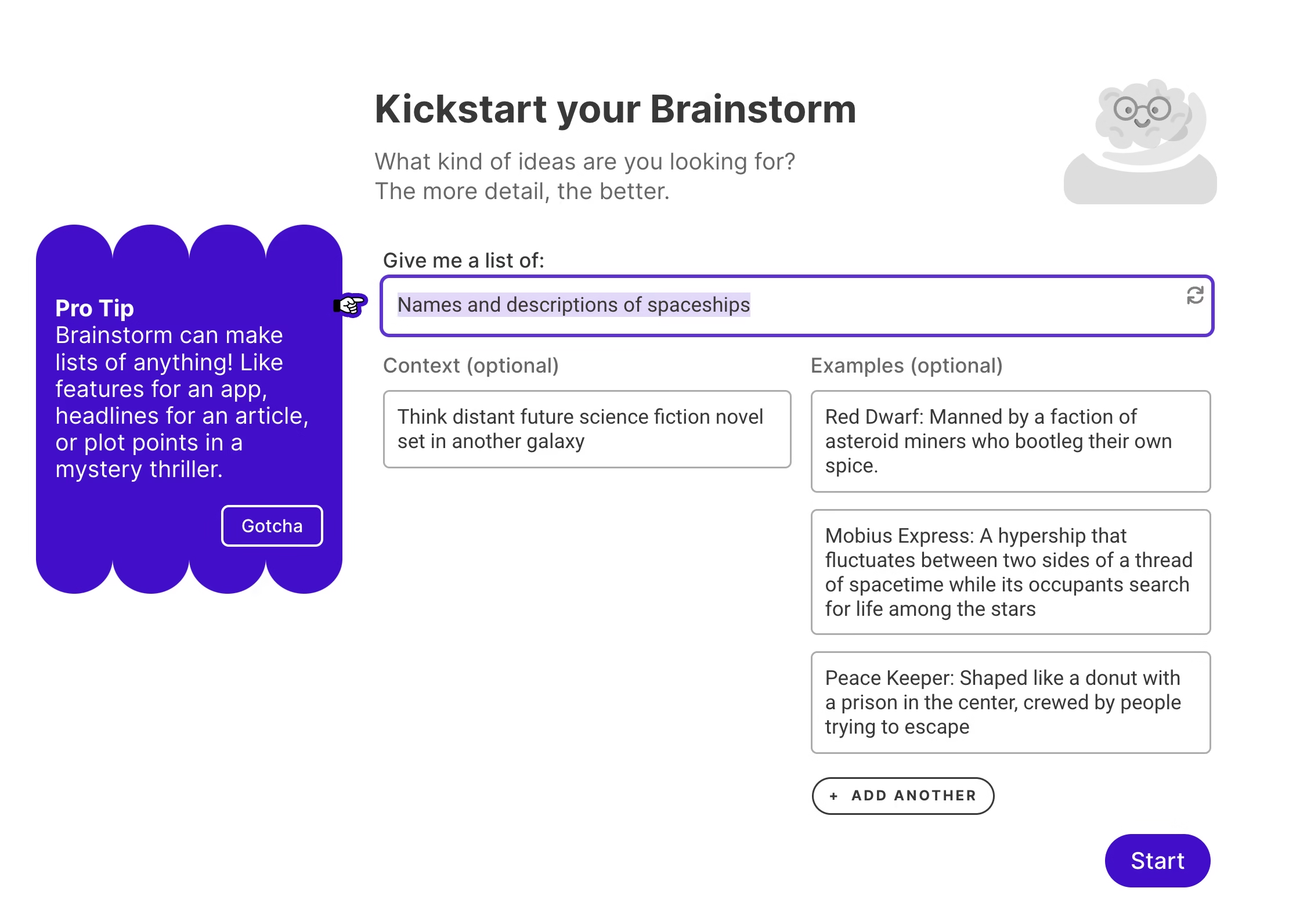
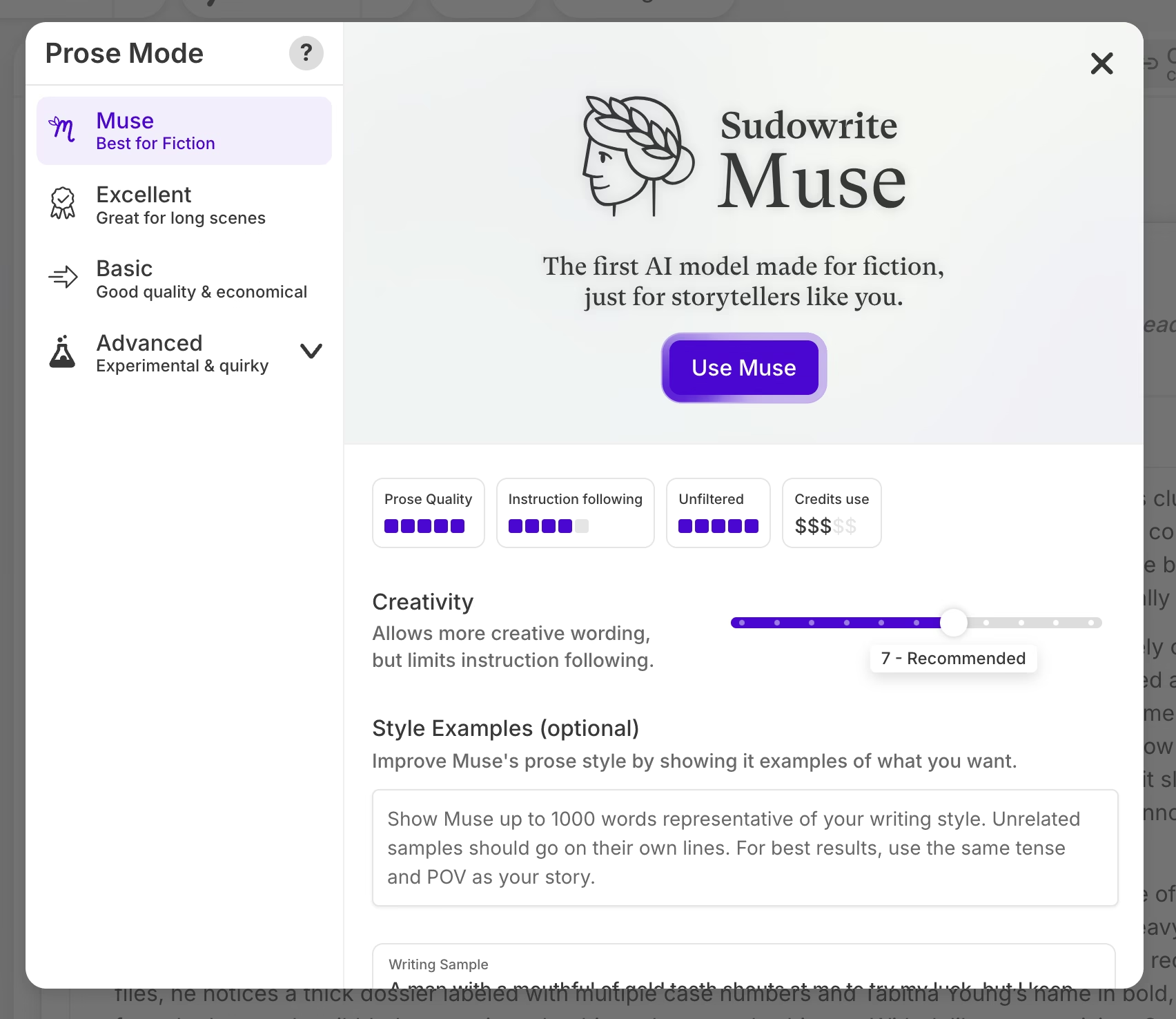
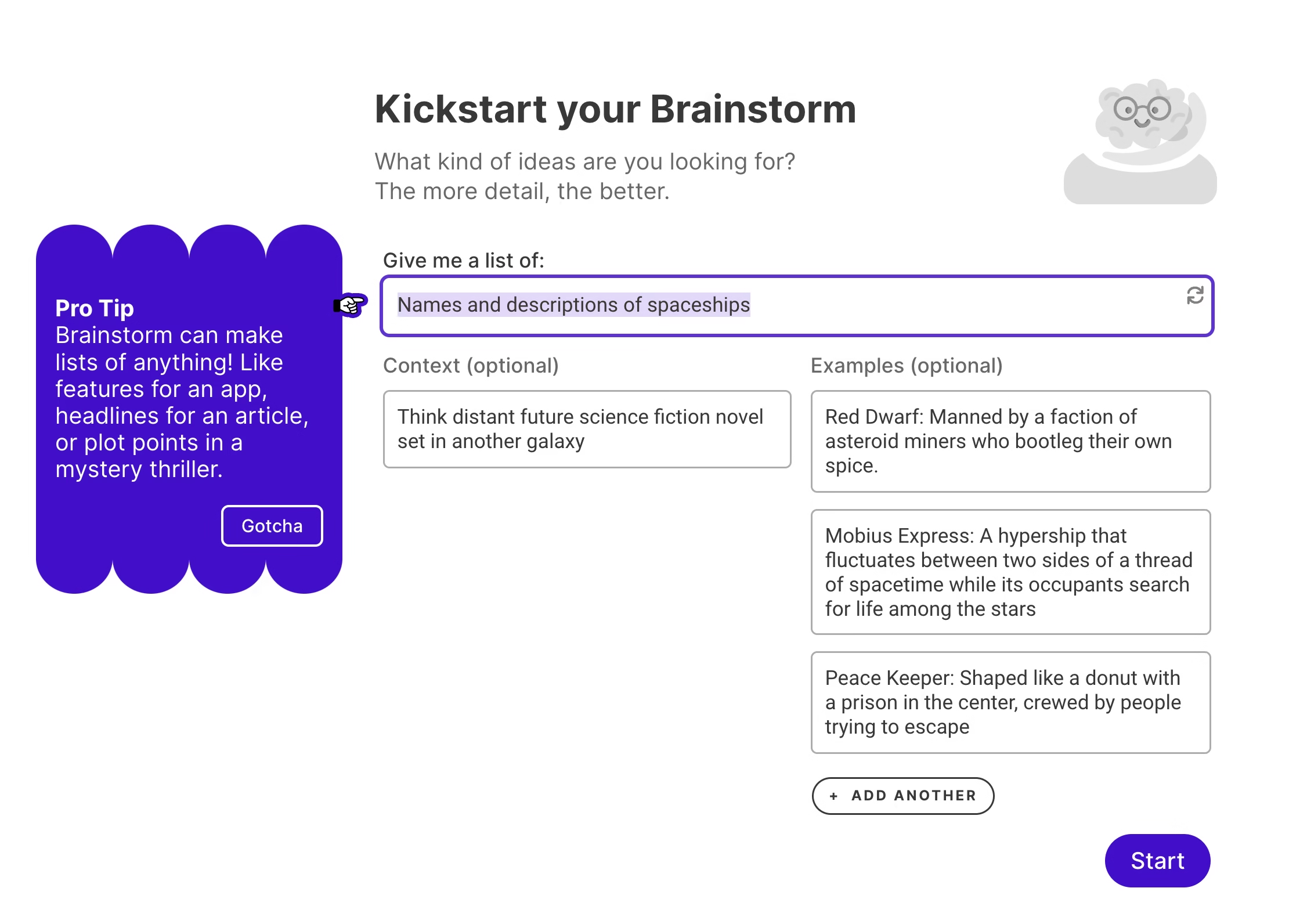
When Your Plot Looks Like Spaghetti: How AI Became My Outlining Salvation

Traditional novel outlining methods often feel like creative torture, but AI tools are changing the game by handling structural heavy lifting while preserving the human elements that make stories compelling. Here’s how to find the sweet spot between human creativity and artificial assistance.

Item added to cart.
0 items - $0.00