The fear that AI will homogenize creative writing is about as outdated as worrying that spell-check will ruin poetry.
TLDR: The Real Deal
- AI writing tools in 2026 excel at breaking through creative blocks and managing story continuity, not replacing human creativity
- Fiction-specific platforms like Sudowrite understand narrative structure better than general chatbots
- The key is using AI as a brainstorming partner while maintaining editorial control over your unique voice
Why I Changed My Mind About AI
Six months ago, I would have rolled my eyes at the suggestion of using AI for creative writing. Then I hit a wall with a fantasy novel that had more plot holes than a colander. My character motivations were murky, my timeline was a mess, and I was three chapters deep into what felt like literary quicksand.
Enter AI writing tools. Not the generic ones that spit out corporate blog content, but platforms designed specifically for storytelling. AI fiction writing tools have evolved beyond simple text generation into sophisticated creative partners that understand story beats, character arcs, and the delicate dance between showing and telling.
What Actually Works (And What Doesn’t)
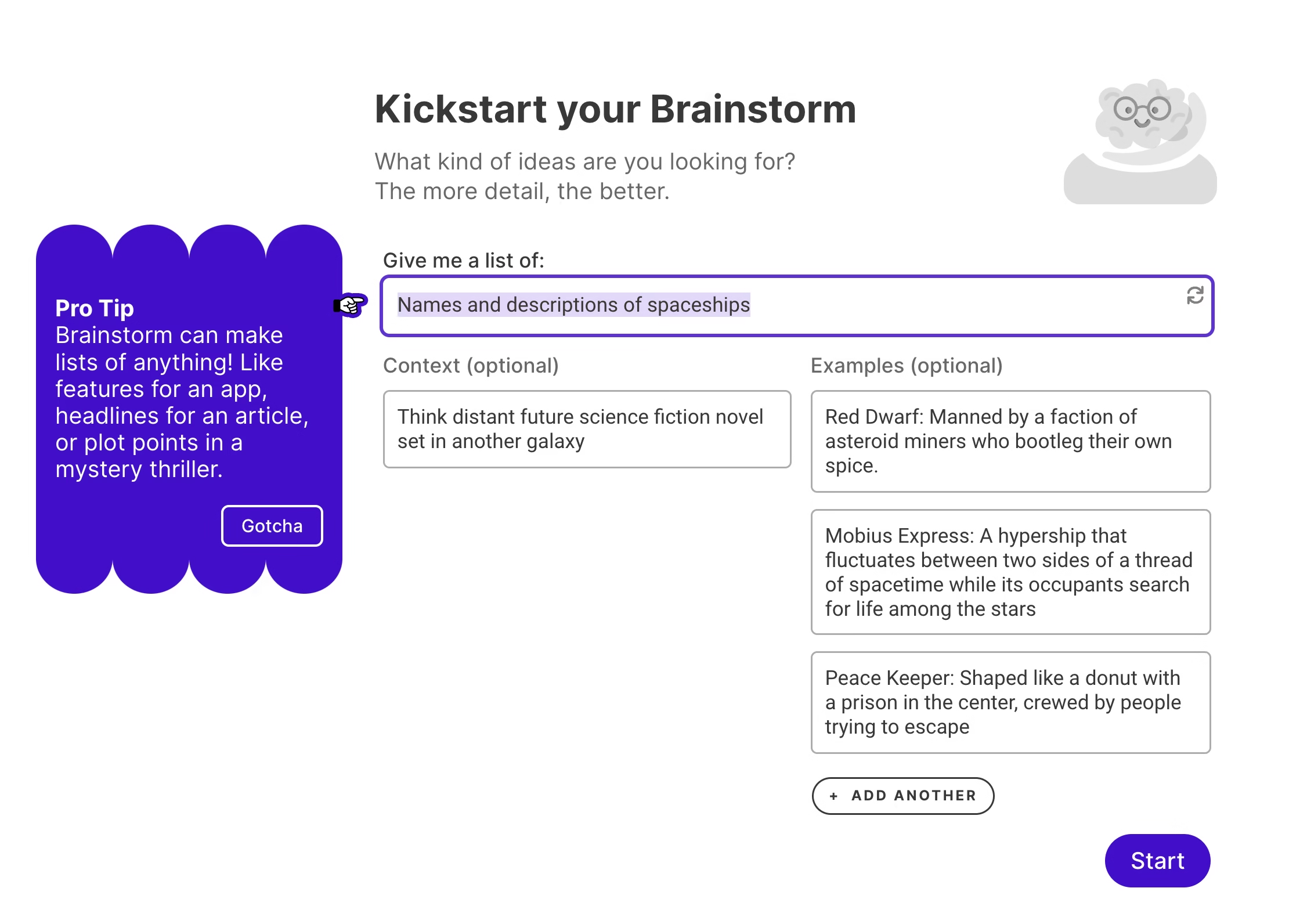
The magic happens when you stop treating AI like a ghostwriter and start using it like a really smart writing buddy who never gets tired of your questions. Here’s what I’ve learned works:
- Story Bible Management: AI excels at tracking character details, world-building elements, and timeline consistency across long projects
- Dialogue Sparring: Stuck on how your protagonist would respond? AI can roleplay different character voices to spark ideas
- Sensory Detail Expansion: When your scene feels flat, AI can suggest specific textures, sounds, and smells you might have missed
The Creative Workflow That Actually Makes Sense
I write my first draft solo, then bring in AI during revision. It’s like having a writing group that’s available at 2 AM and won’t judge you for your messy early scenes. The tool suggests alternatives, I pick what resonates, then I edit everything to match my voice.
For visual storytelling, AI image generation with commercial licensing has become invaluable for character design and setting inspiration. Nothing beats seeing your imaginary world rendered in pixels to spot inconsistencies in your descriptions.
The Publishing Reality Check
Here’s what nobody talks about: using AI thoughtfully can actually make your writing more distinctly yours, not less. When AI handles the grunt work of continuity tracking and brainstorming, you have more mental energy for the creative decisions that define your voice.
Once you’ve crafted something uniquely yours, platforms like publishing for books, ebooks, and audiobooks make it easier than ever to get your AI-assisted (but thoroughly human) stories into readers’ hands.
The future of creative writing isn’t human versus machine. It’s human plus machine, creating stories neither could imagine alone.