Steinbeck Felt Like a Fraud Too: Why Imposter Syndrome Might Actually Be Working

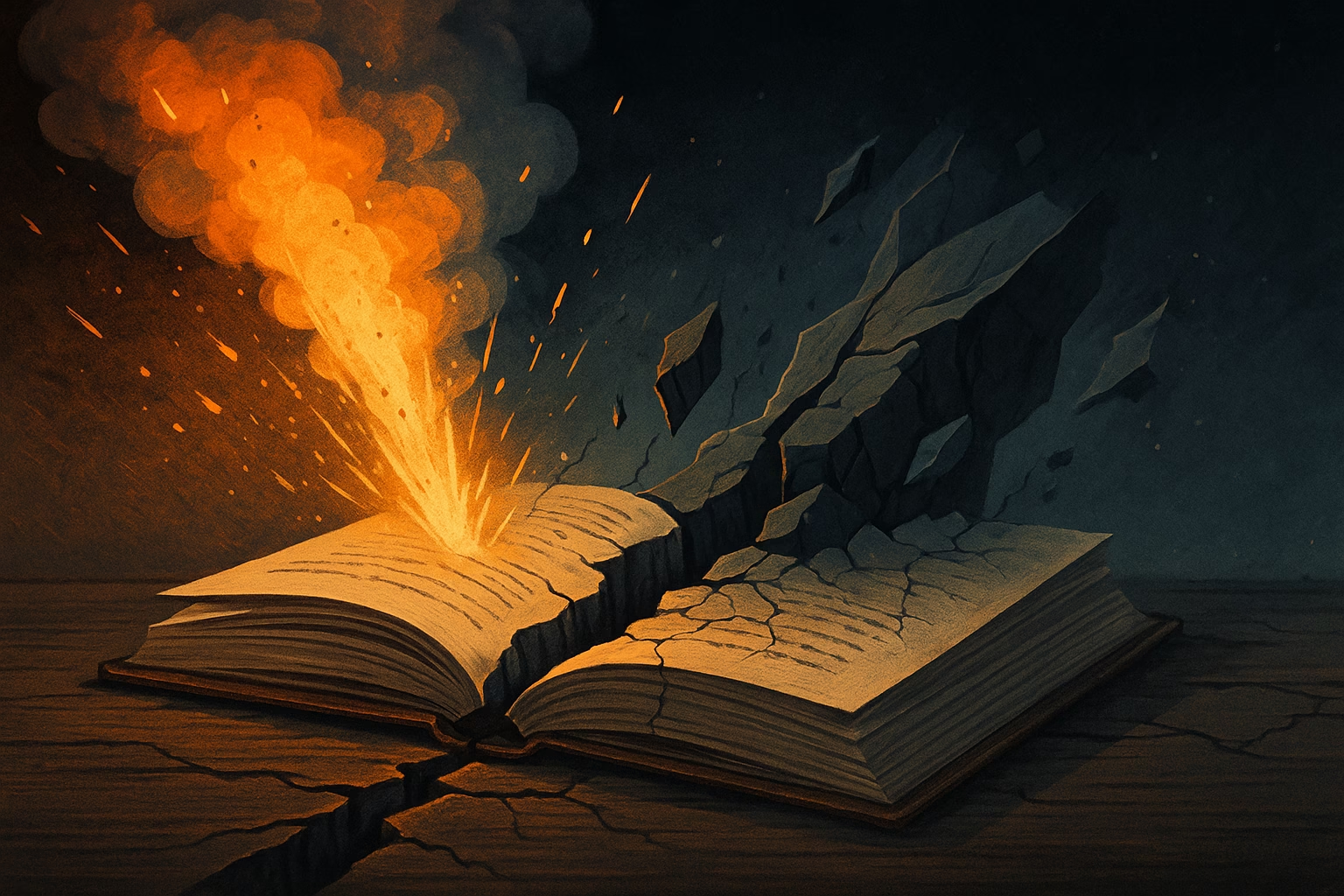
John Steinbeck felt like a fraud while writing his Pulitzer Prize-winning masterpiece, proving that imposter syndrome isn’t a disease but a natural part of the creative process. The key isn’t eliminating these feelings but recognizing them as a sign you’re pushing boundaries and doing meaningful work.

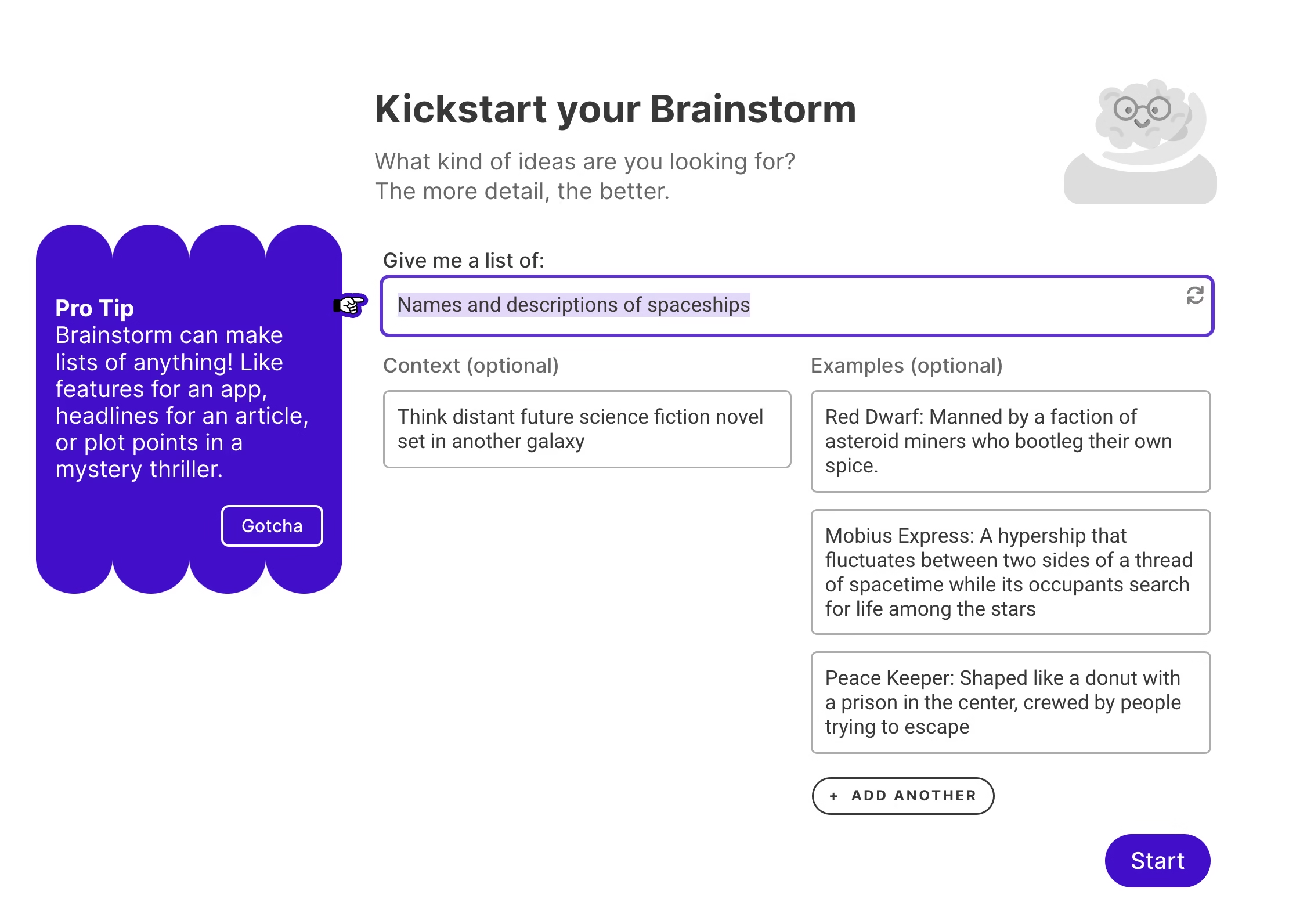
When Your AI Stops Mid-Kiss: The Real Problem with Automated Romance Writing

Most AI writing tools fail spectacularly when romance gets steamy, either refusing to cooperate or producing mechanical prose that kills romantic tension. The secret lies in understanding that great intimate scenes require emotional context, character consistency, and sensory detail that only fiction-specific AI models can deliver.

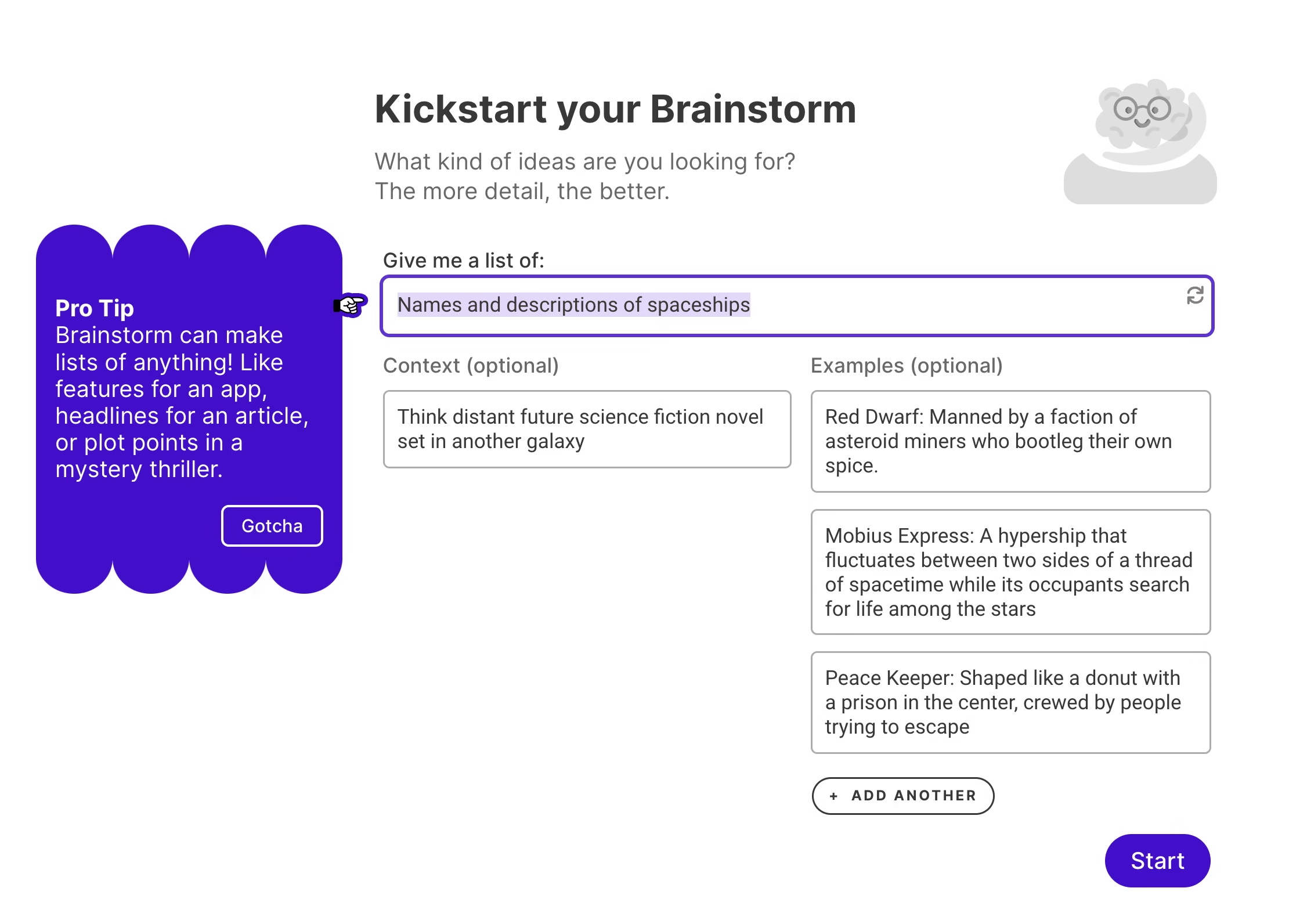
When Your Novel Feels Like a Jigsaw Puzzle: Why Visual Planning Actually Works

Visual story planning isn’t about killing creativity, it’s about giving your creative brain a map you’re allowed to redraw. With 79% of writers who outline actually finishing their first draft, spatial planning tools are changing how we approach novel structure.

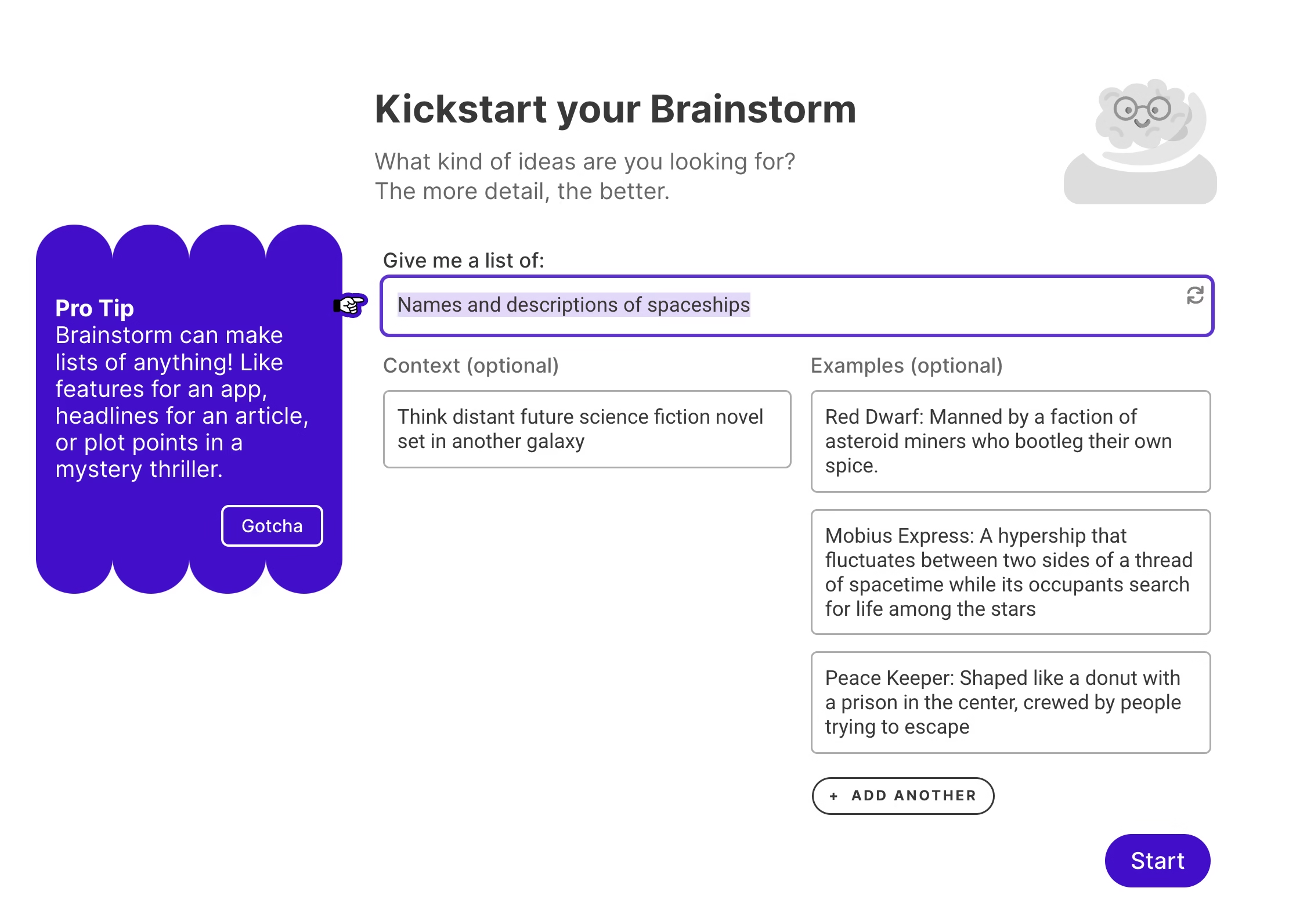
The Voice Revolution Is Finally Here (And It Sounds Nothing Like Siri)

OpenAI’s new voice models can reason, translate, and transcribe in real-time conversations, marking a significant leap beyond traditional voice assistants. This technology promises to transform creative workflows, from fiction writing to audiobook production, while raising important questions about authenticity in an increasingly voice-driven digital world.

Item added to cart.
0 items - $0.00