Reading Atomic Habits feels like discovering a secret everyone should know, but now you’re sitting there wondering what comes next in your self-improvement adventure.
TLDR: The Key Takeaways
- James Clear’s 25-million-copy phenomenon is just the gateway drug to a deeper understanding of human behavior
- The best follow-up reads tackle the psychological machinery behind why small changes work so devastatingly well
- Building habits at scale requires different tools than personal change, especially if you’re leading teams or organizations
The Habit Rabbit Hole Goes Deeper
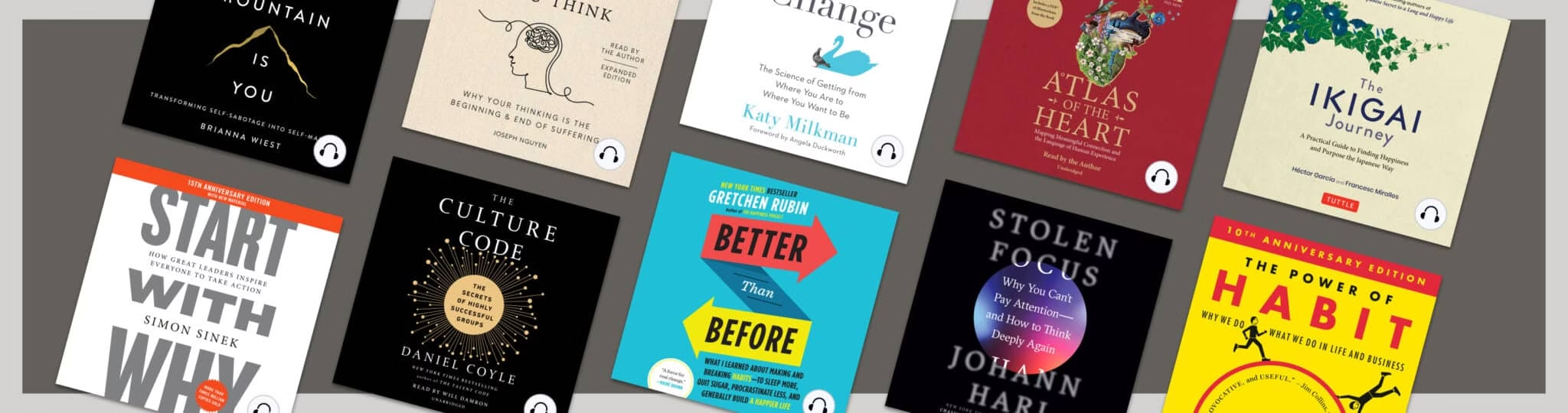
Here’s the thing about finishing Atomic Habits: you’ve just scratched the surface. Clear gives you the what and the how, but leaves you hungry for the why. That’s where Charles Duhigg’s The Power of Habit becomes your next obsession. I remember reading it on a cramped airplane, completely absorbed by his breakdown of the habit loop. The smell of stale coffee and the hum of engines faded as Duhigg explained why that afternoon cookie craving has nothing to do with actual hunger.
Duhigg digs into the neurological grooves that make habits stick, using stories from corporate boardrooms and Olympic training facilities. It’s like getting the owner’s manual for your brain after Clear taught you how to drive.
When Focus Becomes the Real Problem
But wait. What if your issue isn’t building habits but maintaining attention long enough to implement them? Johann Hari’s Stolen Focus tackles this modern plague head-on. His argument that big tech has literally rewired our brains for distraction hits different when you’re trying to meditate for five minutes and your phone buzzes seventeen times.
Actually, scratch that. It hits different because it’s probably true.
Scaling Beyond Yourself
If you’re building habits for teams or organizations, Daniel Coyle’s The Culture Code becomes essential reading. Individual atomic habits are adorable, but cultural atomic habits? That’s where real transformation happens. Whether you’re using AI fiction writing tools for creative projects, experimenting with AI image generation for visual storytelling, or planning to publish your insights as books, the principles of building strong group dynamics amplify everything.
The beauty of this reading journey is how each book builds on Clear’s foundation without feeling repetitive. You’re not just collecting productivity hacks; you’re developing a sophisticated understanding of human behavior that makes you slightly dangerous at dinner parties.
Trust me, your future self will thank you for going deeper.