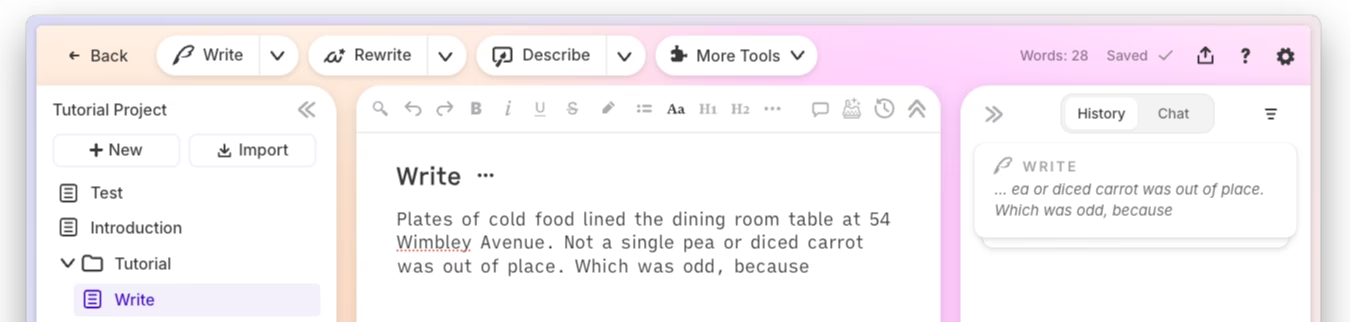
The moment ChatGPT turned my vampire’s dramatic confrontation into corporate speak, I knew we had a problem.
TLDR: The Essential Takeaways
- ChatGPT’s generic training makes it terrible at maintaining character voice and story continuity across novel-length projects
- Fiction-specific AI tools like Sudowrite offer story memory systems and genre-aware writing that actually understands narrative craft
- The shift represents writers choosing specialized tools over one-size-fits-all solutions, much like photographers moved from phone cameras to DSLRs
When General Purpose AI Meets Creative Chaos
Picture this: you’re deep in chapter twelve, your detective finally cornering the suspect in a rain-soaked alley. You need help with the interrogation dialogue. ChatGPT cheerfully delivers lines that sound like a team-building workshop crossed with a police procedural parody. “Let’s circle back on your alibi and ideate some transparency around your whereabouts.”
I’ve watched this exact scenario play out in writing groups across the country. Actually, scratch that. I’ve lived this scenario, cursing at my laptop while rain drummed against my own windows in what felt like literary irony.
The Three Gaps That Break Fiction
ChatGPT stumbles on fiction for reasons that seem obvious once you see them:
Memory That Forgets Everything
Novels aren’t tweet-sized. Your brooding antihero from chapter one needs to stay brooding in chapter twenty, not suddenly develop an upbeat attitude because the AI forgot who they are. ChatGPT’s context window feels like literary amnesia.
Genre Blindness
Try asking ChatGPT to write a proper noir scene. You’ll get something that reads like a business memo wearing a fedora. The AI doesn’t understand that different genres have distinct rhythms, vocabulary, and emotional temperatures.
Voice Flattening
Every character ends up sounding like the same helpful assistant. Your sarcastic teenager talks like your wise grandmother talks like your hardened soldier. It’s character voice pancaked into corporate vanilla.
Why Fiction-First Tools Actually Work
Tools built specifically for storytelling solve these problems by design. They understand story structure, maintain character consistency across thousands of words, and generate prose that feels authentically human rather than algorithmically pleasant.
The difference reminds me of trying to edit video on Microsoft Paint versus actual editing software. Sure, Paint can technically manipulate images, but you wouldn’t call it a professional solution.
For writers serious about their craft, this shift toward specialized AI represents a maturation of the creative process. We’re moving beyond “can AI write?” to “which AI writes fiction well?” Combined with platforms for AI-generated book covers and streamlined publishing workflows, writers now have access to genuinely professional-grade creative assistance.
The revolution isn’t that machines can write. It’s that they’re finally learning to write stories.