The dirty secret about AI writing tools is that most of them treat your novel like a disposable napkin sketch.
TL;DR
- 67% of professional novelists now use AI, but most platforms trap your work in digital prisons with terrible export options
- Fiction needs specialized AI models, not repurposed chatbots that forget your protagonist’s name by chapter three
- True workflow integration means seamless movement between writing, editing, and publishing without losing your creative soul
The Great AI Writing Swindle
I learned this the hard way last summer. Three months into a fantasy novel, I discovered my AI writing platform had been quietly corrupting my character files. My brooding anti-hero had somehow morphed from a battle-scarred mercenary into what read like a customer service representative having an existential crisis. The export feature? It turned my carefully crafted prose into something resembling a grocery list.
Here’s what nobody tells you about AI writing platforms: they’re mostly marketing copy generators wearing novelist costumes. They smell like fresh algorithms and promise literary breakthroughs, but try maintaining a consistent voice across 80,000 words and watch them crumble faster than day-old croissants.
What Actually Works
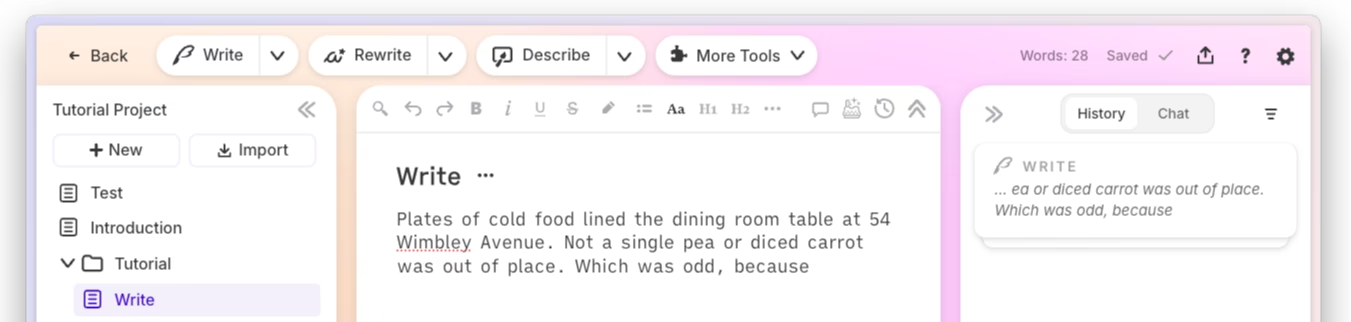
The game changed when platforms like Sudowrite started training AI specifically on fiction rather than insurance manuals. Their Muse model understands the difference between scene transitions and legal disclaimers. More importantly, it plays nicely with Google Docs and doesn’t hold your manuscript hostage when you want to export.
Think of it this way: you wouldn’t use a hammer to perform surgery. So why use AI trained on corporate emails to write your love scenes?
The Integration Reality Check
Modern fiction writing isn’t just writing anymore. You need:
- Character consistency across platforms
- Seamless movement between drafting and editing tools
- Export flexibility for different publishing formats
- AI that remembers your worldbuilding beyond the current chapter
The platforms that get this right understand that creativity is messy. Your brilliant subplot idea might hit while you’re in Google Docs, but you need to flesh it out in your main writing app, then maybe generate some cover concepts using AI image tools, before finally pushing everything to publishing platforms.
The Bottom Line
Most AI writing tools are digital quicksand dressed up as innovation. They promise to revolutionize your process, then trap your work in proprietary formats that make switching platforms feel like negotiating a hostage release.
The smart money is on platforms that treat integration as a feature, not an afterthought. Your future self will thank you when you’re not rebuilding your entire creative workflow every eighteen months.