I used to think outlines were where creativity went to die, until I found myself 40,000 words deep in a manuscript that had more plot holes than a colander.
TLDR: The Quick Hits
- Traditional outlining methods work but often feel like academic torture for creative minds
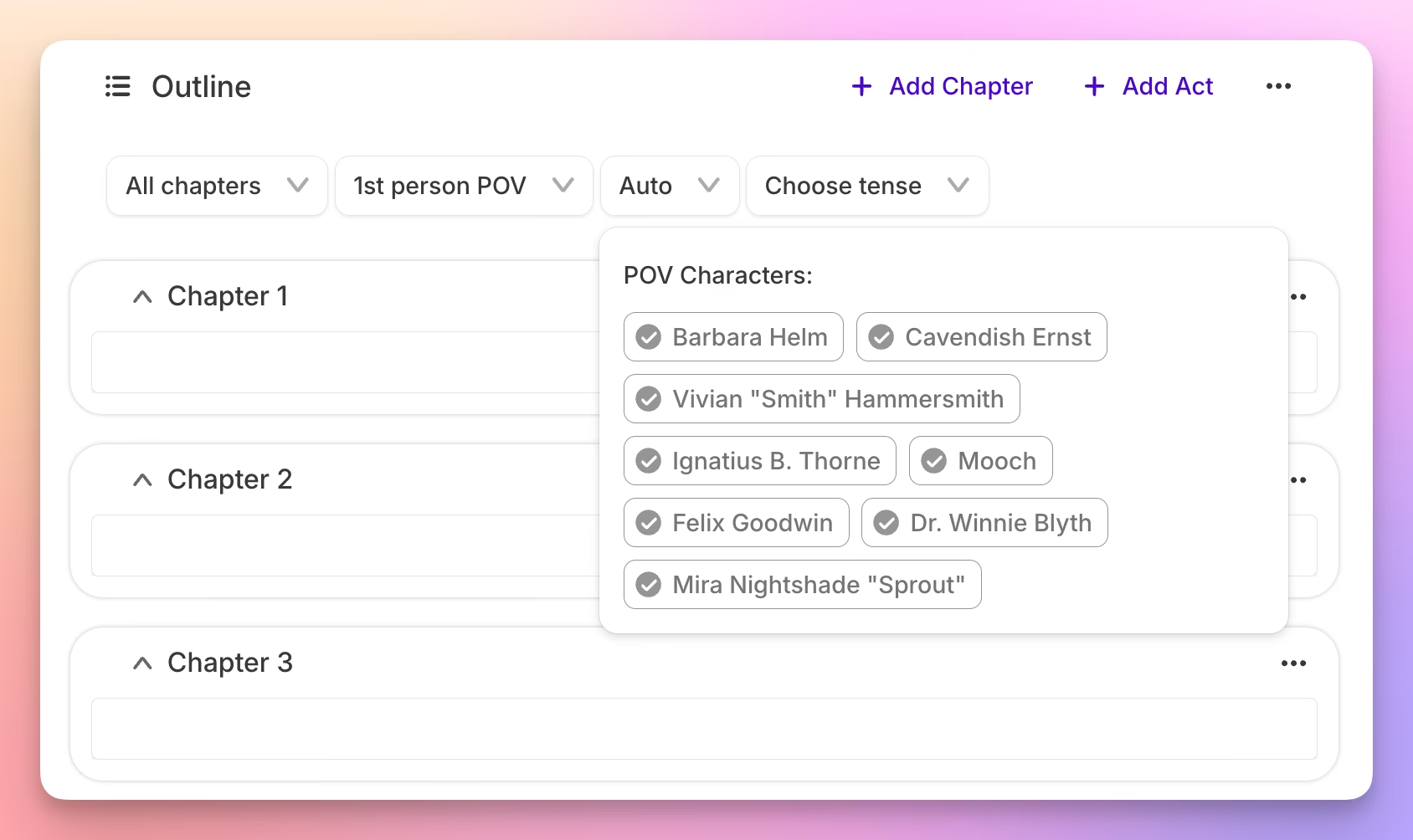
- AI tools like Sudowrite’s plotting features can generate structural scaffolding in minutes instead of weeks
- The secret isn’t choosing between human creativity and AI assistance, it’s finding the sweet spot where both complement each other
Why Most Writers Hate Outlining (And Why They’re Both Right and Wrong)
Let’s be honest. Traditional outlining feels like being forced to plan a spontaneous road trip. The Hero’s Journey with its 12 stages? Fantastic if you’re writing Lord of the Rings. Less helpful if your protagonist’s biggest journey involves navigating a messy divorce in suburbia.
I’ve tried them all. The Snowflake Method made me feel like I was dissecting a butterfly. Save the Cat worked great until I realized my story wasn’t actually about cats, saving, or much of anything coherent. The three-act structure? Sure, if you enjoy the literary equivalent of painting by numbers.
Where AI Actually Makes Sense
Here’s what changed my mind about AI in creative writing. It’s not about replacing the messy, beautiful, utterly human parts of storytelling. It’s about handling the structural heavy lifting so you can focus on what matters: characters who breathe, dialogue that sings, scenes that make readers forget they’re reading words on a page.
When I fed my scattered story elements into an AI outlining tool, something clicked. Instead of spending three weeks agonizing over plot points, I had a workable structure in an afternoon. Was it perfect? Absolutely not. Was it a foundation I could build on? You bet.
The Sweet Spot Strategy
The magic happens when you use AI as your structural consultant, not your creative director. Think of it this way:
- You provide the heart: characters, themes, the emotional core that makes readers care
- AI provides the skeleton: pacing, plot progression, the mechanics that keep pages turning
- You refine and personalize: adding the unexpected twists, the authentic details, the voice that makes it unmistakably yours
Once you have that outline, you can focus on what humans do best. Whether you’re planning to create accompanying visuals with AI image tools or eventually publish your finished work, having that structural foundation makes everything else flow more naturally.
The result? Less time staring at blank pages, more time writing scenes that actually matter. Sometimes the best creative choice is knowing when to let technology handle the boring bits.