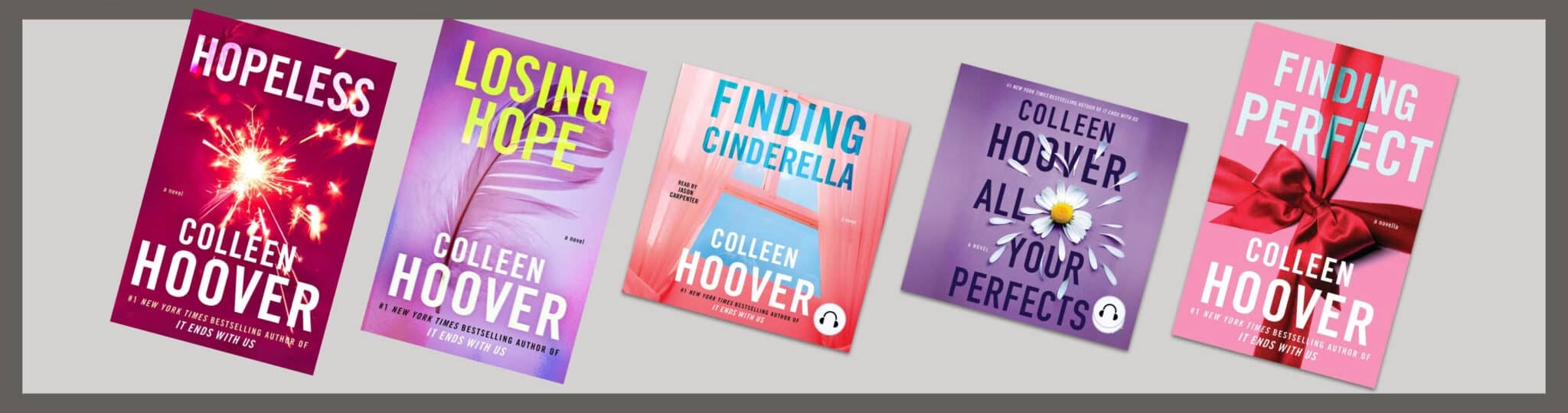
There’s something almost rebellious about admitting you genuinely connect with Colleen Hoover’s work when half the internet treats it like literary fast food.
TLDR:
- The Hopeless series showcases Hoover’s storytelling evolution beyond her social media phenomenon status
- Reading order matters because the dual perspective structure creates unexpected emotional depth
- These books tackle serious themes while maintaining accessibility, making them gateway novels for difficult conversations
The Accidental Brilliance of Perspective Shifts
Here’s what struck me about the Hopeless series: Hoover accidentally stumbled onto something profound with her decision to retell the first book from Dean Holder’s perspective in Losing Hope. What started as fan service became a masterclass in unreliable narration. Sky’s repressed memories versus Holder’s painful awareness creates this tension that made me physically uncomfortable in the best possible way.
The reading order isn’t just chronological preference. It’s emotional architecture. You need Sky’s confused first-person voice before Holder’s knowing anguish hits you like cold water.
Beyond the BookTok Hype Machine
Sure, these books went viral partly because they’re digestible. But dismissing them as “just romance” misses how Hoover smuggles heavy topics past readers’ defenses. Childhood trauma, suicide, family secrets get wrapped in enough hope and heat that you process them without your usual emotional armor.
I’ve watched writers struggle with this balance using tools like AI fiction writing assistance, trying to nail that sweet spot between accessibility and depth. Hoover found it instinctively.
The Publishing Phenomenon Worth Studying
What fascinates me is how Hopeless launched from self-publishing obscurity to bestseller lists in 2012. This was pre-BookTok, pre-pandemic reading boom. Just word of mouth and emotional authenticity.
Modern authors chasing similar success often get lost in the mechanics. They focus on AI image generation for perfect covers or publishing platform optimization. But Hoover’s secret sauce was simpler: she wrote books that made people feel less alone with their damage.
The Verdict on Emotional Manipulation
Yes, these books are engineered to make you cry. The tissue warning isn’t hyperbole. But there’s craft in that manipulation. Hoover understands that sometimes we need permission to feel our feelings, even if that permission comes wrapped in a love story about broken teenagers.
Read them in order. Let yourself get swept up. Sometimes the best literary experiences happen when we stop worrying about literary respectability.