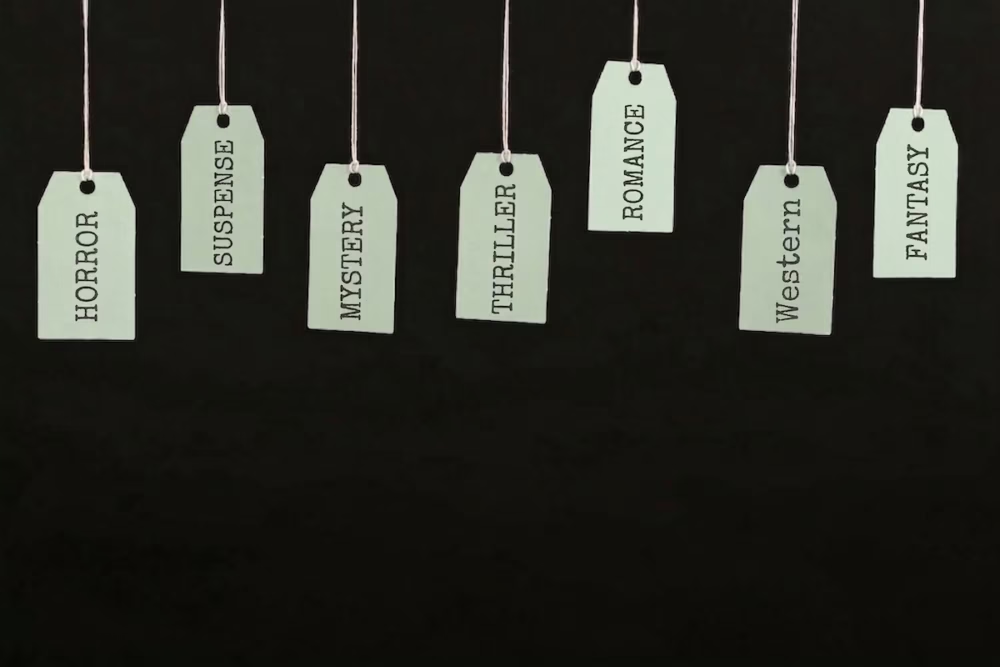
Understanding genre conventions isn’t about boxing yourself in—it’s about unlocking the secret toolkit that connects you to readers on a visceral level.
TLDR:
- Genre conventions teach essential craft skills like pacing and character development that literary fiction often overlooks
- Each genre has unique sensory expectations that can deepen your storytelling impact
- Embracing genre rules as guidelines rather than restrictions opens new creative possibilities
The Literary Snob’s Awakening
I used to turn my nose up at genre fiction. There, I said it. While friends devoured thrillers and romance novels, I was busy dissecting Proust and feeling intellectually superior. What a mistake that was.
The truth hit me when I watched a student struggle with a literary novel that had beautiful prose but zero forward momentum. Her characters stood around having profound thoughts while absolutely nothing happened. Sound familiar? Literary fiction teaches us exquisite things about voice and theme, but it often fails miserably at the basics: making readers turn pages.
What Genre Fiction Knows That Literary Fiction Forgot
Genre isn’t a cage. It’s more like a recipe that’s been tested by millions of readers. When you understand why romance needs emotional beats every few chapters, or how horror builds dread through sensory details, you’re not limiting your creativity. You’re learning the language of reader expectation.
Take horror, for instance. I recently discovered that horror isn’t just about things going bump in the night. It’s about the body. The sticky, uncomfortable, can’t-escape-your-own-skin feeling that makes your reader squirm. While suspense asks “what happens next?” horror whispers “how does this feel against your flesh?”
Modern AI fiction writing tools can help you experiment with different genre conventions, letting you play with reader expectations in ways that feel fresh rather than formulaic.
The Sensory Rules of Different Worlds
Each genre has its own sensory vocabulary:
- Romance: Touch, warmth, the flutter of anticipation
- Thriller: Sharp sounds, peripheral vision, that prickle between your shoulder blades
- Fantasy: Rich textures, otherworldly scents, the weight of magic in the air
When you’re crafting your book’s visual elements, whether for covers or marketing, understanding these sensory associations becomes crucial. Tools for AI image generation, commercial licensing can help translate these genre feelings into compelling visuals.
Beyond the Writing: Genre as Your Publishing Compass
Here’s what nobody tells you: understanding genre isn’t just about better writing. It’s about finding your readers. When you know where your book lives in the vast ecosystem of literature, you can connect with people who are actively searching for the exact experience you’re offering.
Whether you’re planning to go traditional or indie, platforms for publishing books, ebooks, audiobooks rely heavily on genre categorization to help readers discover your work.
Genre isn’t your dictator. Think of it as your most experienced writing mentor, whispering secrets about what makes readers lose sleep turning pages. The magic happens when you learn the rules well enough to break them intentionally.