Writing “she was sad” feels like describing a symphony by saying “it has notes.”
TLDR
- Show don’t tell transforms flat statements into visceral experiences that readers actually feel
- AI tools are getting surprisingly good at generating the specific sensory details that make prose sing
- The real skill isn’t avoiding summary entirely but knowing when to deploy emotional heavy artillery
The Problem Nobody Talks About
I’ve been writing for fifteen years, and I still catch myself typing “the room was creepy” in first drafts. It’s like my brain defaults to the most efficient description possible, which is usually the most boring one. The thing is, efficient isn’t what readers crave. They want texture. They want to feel the grit under their fingernails.
Show don’t tell isn’t revolutionary advice. It’s craft 101. But executing it consistently? That’s where most of us face-plant. Generating vivid sensory detail on command feels like being asked to juggle while riding a unicycle. Some days the words flow like honey, other days they clunk onto the page like dropped silverware.
When AI Actually Earns Its Keep
Here’s where I surprise myself: AI fiction writing tools are getting genuinely useful for this specific problem. Not for plotting or character development, where they tend to serve up lukewarm soup. But for transforming “he was angry” into something with actual teeth? They’re developing a knack for it.
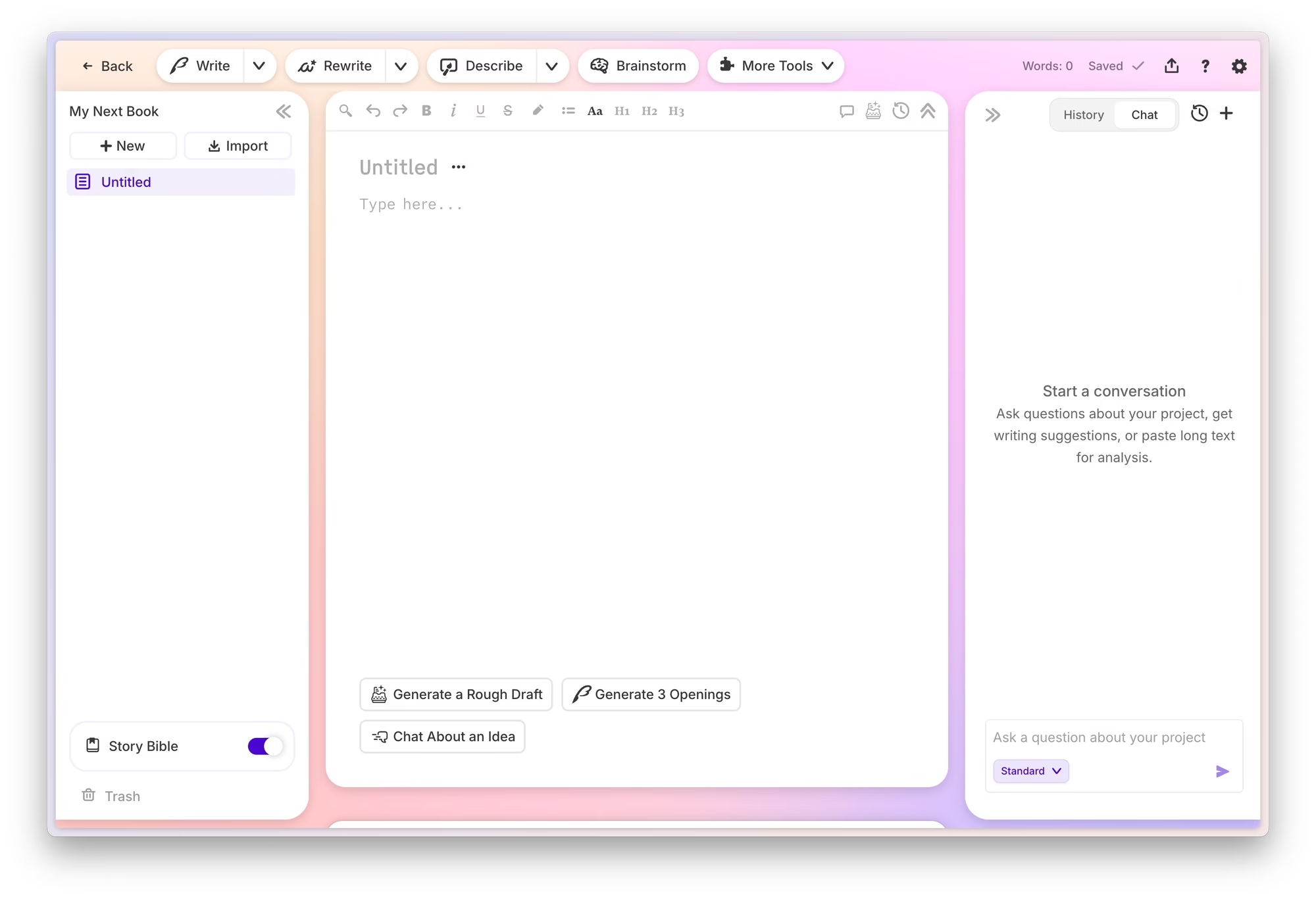
The best AI describe functions work like having a writing partner who never gets tired of brainstorming details. You feed it your flat sentence, and it offers variations:
- Instead of “the house was old,” try “paint peeled from the shutters like sunburned skin”
- Rather than “she was nervous,” consider “she knotted her scarf until the silk protested”
- Replace “the storm was intense” with “rain hammered the windows like an impatient debt collector”
The Real Craft Lives in the Editing
Of course, AI suggestions need human curation. Sometimes they’re purple prose disasters. Sometimes they nail exactly the mood you couldn’t articulate. The magic happens when you use them as springboards rather than final answers.
Whether you’re planning to use AI image generation, commercial licensing for book covers or publishing books, ebooks, audiobooks through digital platforms, the same principle applies: technology works best when it amplifies human judgment rather than replacing it.
The goal isn’t perfect prose on the first pass. It’s developing an ear for when a scene needs emotional weight and having tools that help you deliver it.