Most writers mistake thin scenes for short scenes, but the real culprit isn’t word count.
TLDR
- Thin scenes lack sensory grounding and internal texture, not necessarily length
- Manual scene expansion across full manuscripts becomes exhausting fast
- AI tools trained specifically for fiction understand story mechanics better than general AI
The Cardboard Problem
I still remember the first time someone told me my dialogue “moved the plot along nicely” but felt like reading a grocery list. Ouch. That’s the thing about thin scenes. They check every plot box while somehow sucking all the oxygen from the room.
Your character walks into the coffee shop, orders a latte, meets their ex. Boom. Scene complete. Except readers can’t smell the burnt espresso or feel that stomach-drop moment when familiar laughter cuts through morning chatter. The mechanics work perfectly. The experience? Nowhere to be found.
Why Texture Actually Matters
Here’s what I’ve learned after years of turning cardboard scenes into something resembling actual human experience: readers don’t just want to know what happened. They want to feel trapped in that awkward conversation, taste the bitter coffee, notice how your protagonist’s hands shake slightly when they lie.
The problem isn’t that writers lack talent. It’s that adding this texture manually, scene after scene, across an entire manuscript feels like painting the Golden Gate Bridge with a toothbrush. AI fiction writing tools have started addressing this exhaustion factor in ways that actually understand story structure.
The Expansion Trap
Most writers approach scene expansion backwards. They think longer equals richer. So they add filler: unnecessary dialogue tags, weather reports nobody asked for, detailed descriptions of every piece of furniture in the room.
Actually, scratch that. Sometimes weather matters enormously. But only when it serves the story’s emotional temperature, not when you’re desperately trying to hit a word count.
Real scene expansion focuses on:
- Internal character reactions and thoughts
- Sensory details that ground readers in the moment
- Atmospheric elements that support the scene’s emotional weight
The Modern Solution
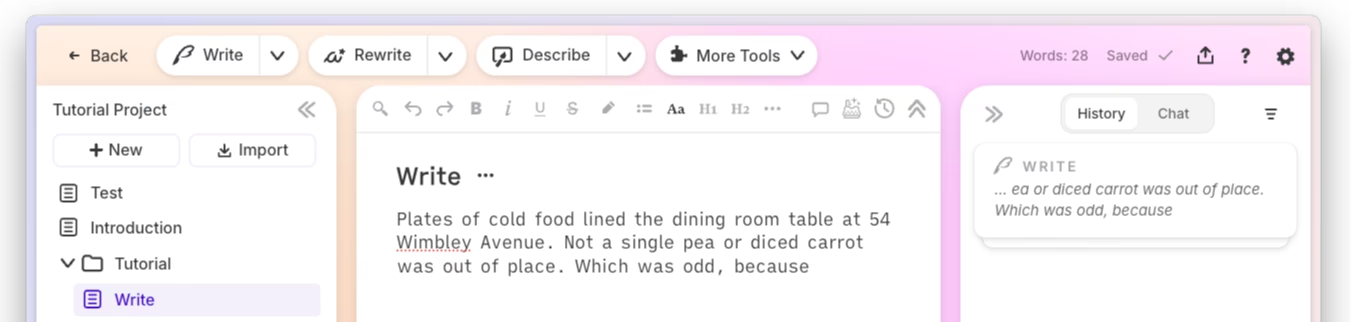
Here’s where things get interesting. Tools like Sudowrite’s Expand don’t just throw more words at your scenes. They analyze your existing story elements, character voices, and genre conventions to add texture that feels organic. No more random description bolted onto perfectly good sentences.
The same principle applies whether you’re expanding scenes, creating AI image generation, commercial licensing for your book covers, or preparing manuscripts through publishing books, ebooks, audiobooks platforms. The tools that understand your specific creative needs will always outperform generic solutions.
The real magic happens when technology amplifies your natural storytelling instincts rather than replacing them. Your scenes don’t just get longer. They get deeper.