Most dystopian novels collapse the moment you start wondering who empties the garbage cans in their totalitarian hellscape.
TLDR:
- Dystopian fiction fails when authors focus on dramatic oppression instead of boring bureaucratic details
- AI writing tools can force systematic worldbuilding that prevents plot holes and inconsistencies
- The best dystopias critique specific real-world anxieties rather than recycling generic totalitarian aesthetics
The Garbage Can Problem
I’ve been reading dystopian fiction for twenty years, and the pattern never changes. Chapter one gives you the surveillance state, the propaganda posters, the jackbooted enforcers. Very atmospheric. Very ominous. Then chapter twelve mentions rationing cards, and suddenly you’re wondering: wait, who actually prints these things? Where’s the bureaucrat with the rubber stamp and the bad coffee breath?
That’s where most dystopian novels die. Not in the dramatic torture scenes, but in the mundane infrastructure questions that authors never bothered answering.
The texture of oppression lives in the details. How does a parent explain to their eight-year-old why certain words can’t be said at school? What forms do you fill out to move apartments? These questions matter more than your flying cars.
Building Systems That Actually Work
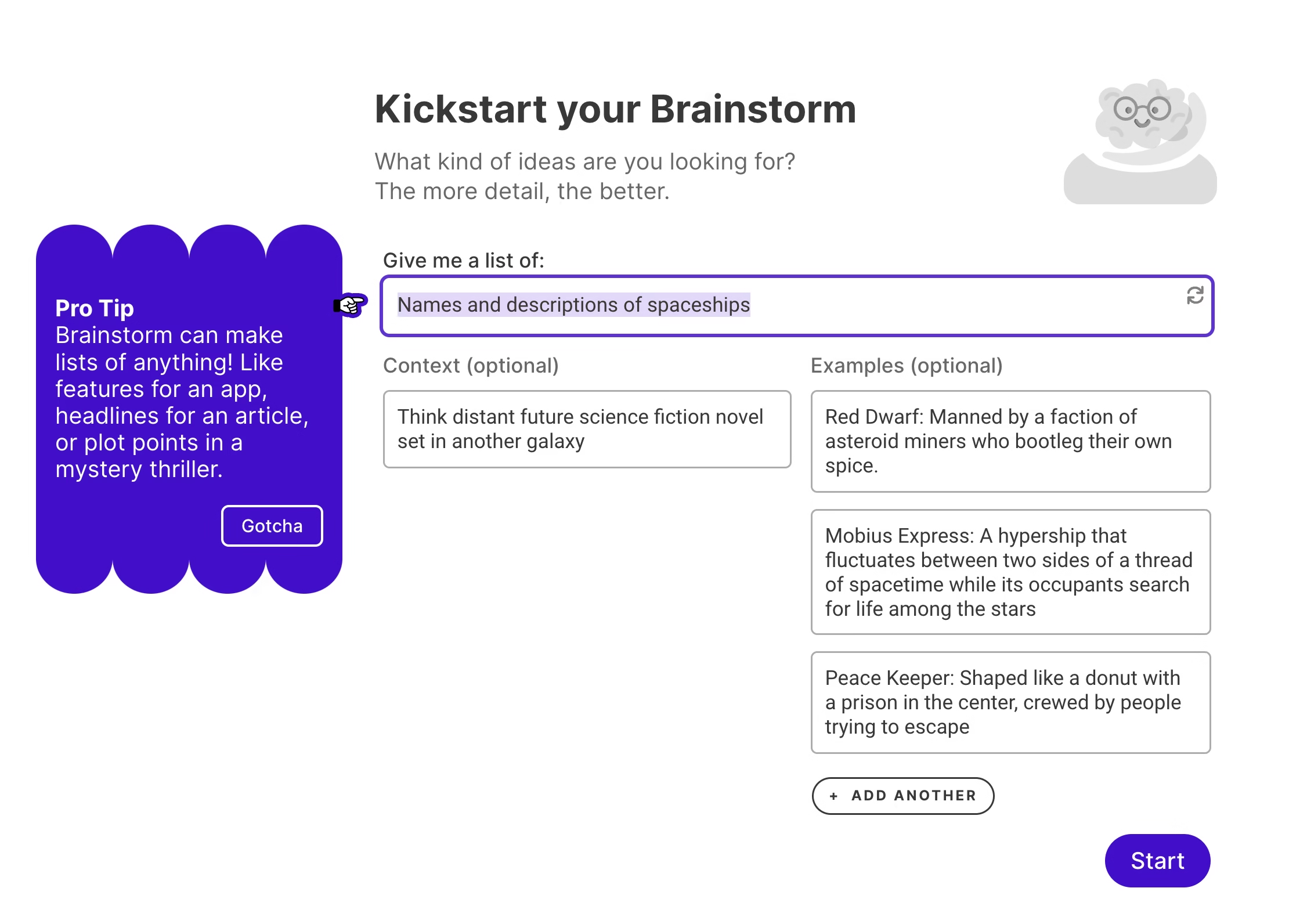
This is exactly where AI fiction writing tools earn their keep. Instead of letting you wing it with vague authoritarian vibes, they force systematic thinking.
Start with the boring stuff:
- Economic systems: What does this society actually produce? How do people eat?
- Information control: Not just “there’s propaganda” but who writes it, who distributes it, who believes it
- Social hierarchies: The specific mechanisms that keep people in their assigned slots
The genius of Orwell wasn’t Big Brother’s face on the telescreen. It was Victory Gin and synthetic chocolate and the knowledge that someone, somewhere, had to manufacture those deliberately terrible products.
Critique Something Real
Here’s the uncomfortable truth: if your dystopia doesn’t make readers nervous about their actual world, it’s just elaborate set dressing. The Handmaid’s Tale works because Atwood pulled every detail from real historical precedents. Nothing in Gilead was invented from scratch.
Your job isn’t to imagine impossible horrors. It’s to extrapolate probable ones.
Whether you’re developing visual concepts with AI image generation tools or preparing your manuscript through publishing platforms, the foundation remains the same: boring, believable systems that readers recognize as distorted versions of their own reality.
The scariest dystopias aren’t the ones with the most creative torture devices. They’re the ones that feel like they could happen next Tuesday, with a few policy changes and a national emergency or two.