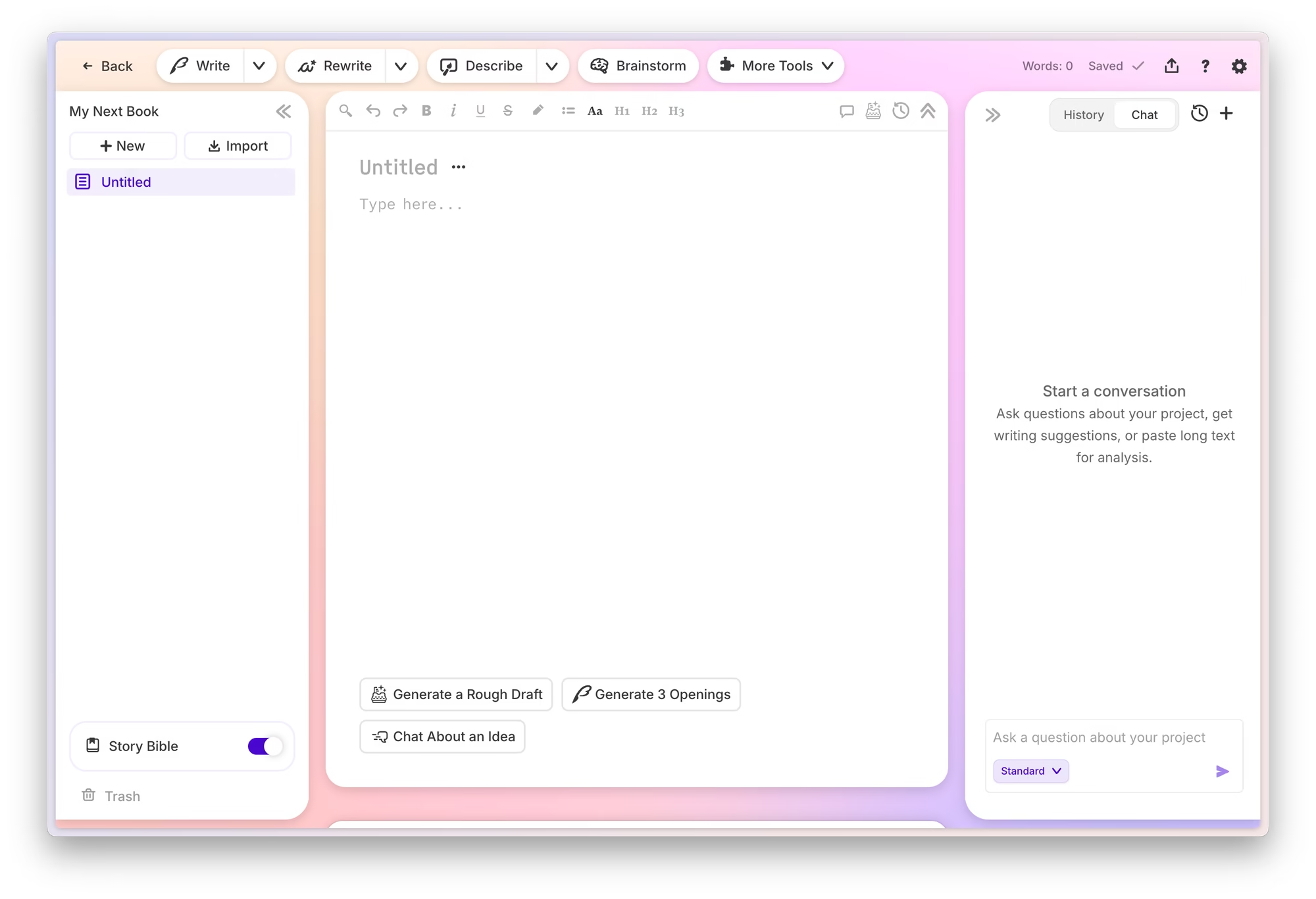
The blank page used to be where good novels went to die, but artificial intelligence is changing how we approach that first terrifying chapter.
TLDR:
- 73% of writers now use AI to break through creative blocks, transforming paralysis into momentum
- Modern AI tools like story bibles turn overwhelming novel concepts into manageable, structured steps
- The key isn’t replacing human creativity but giving writers something concrete to react to and improve upon
The Blank Page Problem (And Why We’ve Been Fighting It Wrong)
I spent three months staring at a document titled “Great American Novel Draft 1” that contained exactly twelve words: “Sarah walked into the coffee shop and ordered a latte.” Riveting stuff. The cursor blinked at me like a judgmental metronome.
Here’s what nobody tells you about starting novels: the advice to “just write” is spectacularly unhelpful. It’s like telling someone having a panic attack to “just breathe.” Technically correct, practically useless.
The real problem isn’t lack of ideas. Most writers have too many. That detective who tastes emotions? The time traveler with commitment issues? They’re all rattling around your brain like loose change. The paralysis comes from infinite possibility.
Why AI Actually Helps (Despite What Your Writing Group Says)
Let me be clear: I was skeptical. The whole “robots writing novels” thing felt like creative sacrilege. But here’s what changed my mind: AI doesn’t write your book. It gives you something to argue with.
Tools like AI fiction writing platforms work because they break infinite possibility into finite steps. Instead of “write a masterpiece,” you get “describe your protagonist’s biggest fear.” Suddenly manageable.
The best part? Bad AI suggestions are almost more helpful than good ones. When the system suggests your brooding detective should have a pet parrot, you immediately know that’s wrong. But now you’re thinking about what pet they would have, and suddenly you’re developing character.
The Scaffolding Approach That Actually Works
Professional novelists don’t sit down and channel divine inspiration. They build scaffolding first. Character sheets, world building notes, rough outlines. The messy foundation work that never makes it into writing memoirs.
Modern story development tools help with this unglamorous phase:
- Character development: Moving beyond “tall, dark, mysterious” to actual personality traits
- World building: Whether your story needs dragons or just detailed coffee shop layouts
- Plot structure: Not rigid outlines, but enough direction to write forward confidently
From Digital Draft to Published Reality
Once you’ve got that first chapter breathing, you’ll need visuals for covers and marketing. AI image generation with commercial licensing can handle that creative brief you can’t quite articulate to human designers.
And when you’re ready for readers? Publishing platforms for books, ebooks, and audiobooks make distribution less mysterious than your protagonist’s backstory.
The blank page still shows up. That cursor still blinks. But now you’ve got allies in the fight. Sometimes that’s enough to tip the scales toward actually finishing what you started.