After thirty years of watching writers wrestle with character consistency, I can tell you this: your detective will inevitably start talking like your barista by chapter fifteen.
TL;DR: The Character Clone Crisis
- Voice drift plagues most novelists after the 20,000-word mark, turning distinct characters into boring duplicates
- AI character tools like those found in AI fiction writing platforms maintain personality databases that prevent this creative disaster
- Consistent characters are the difference between readers finishing your book and abandoning it halfway through
Why Your Characters Keep Morphing Into Each Other
I’ve seen it happen countless times. A writer starts with a gruff ex-marine and a bubbly college sophomore. Six months later, both characters are cracking the same jokes and using identical sentence structures. It’s like watching identical twins emerge from completely different DNA.
The problem isn’t laziness. It’s human memory limits. We can juggle maybe five truly distinct voices before they start bleeding together like watercolors in rain.
Actually, let me correct that. We think we can juggle five distinct voices. Most writers can barely maintain three without some serious reference material.
The AI Solution That Actually Works
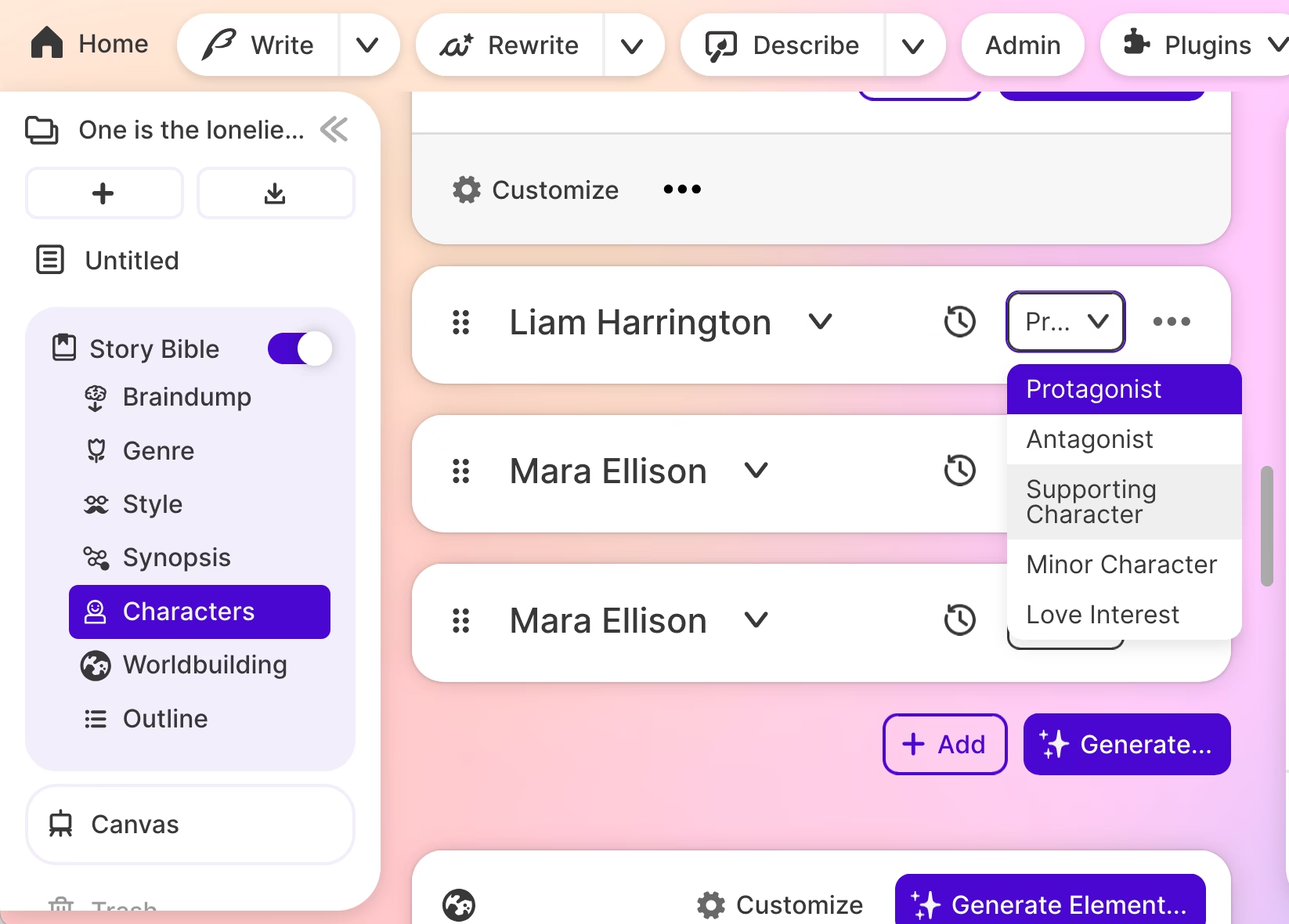
Here’s where AI character development gets genuinely useful. Instead of consulting a dusty character bible every few paragraphs, the AI remembers for you. It knows your sea captain has a Boston accent and your teenager drops consonants when she’s nervous.
The technology stores:
- Speech patterns and vocabulary preferences
- Emotional response templates
- Physical mannerisms and backstory details
- Relationship dynamics with other characters
When you’re generating dialogue at 2 AM and your brain feels like cotton, the AI pulls from these profiles automatically. Your gruff marine stays gruff. Your bubbly sophomore stays bubbly.
Beyond Writing: The Creative Ecosystem
Smart writers aren’t stopping at text generation. They’re using AI image generation with commercial licensing to create visual references for their characters, then packaging everything through platforms like comprehensive publishing services for books, ebooks, and audiobooks.
The result? Characters who look, sound, and act consistently across every medium.
The Uncomfortable Truth About Reader Expectations
Readers spot inconsistency faster than you think. That slight shift in your protagonist’s voice between chapters seven and eight? They noticed. They might not articulate it as “character drift,” but something feels wrong. And wrong feelings make readers close books.
I used to think this was overthinking until I watched my own beta readers consistently flag the same voice breaks I’d missed during revision. Now I know better. Consistency isn’t perfectionism. It’s basic storytelling hygiene.