Most AI writing assistants will ghost you the moment your characters start getting interesting.
TLDR: The Big Three
- Fiction-trained AI models understand storytelling nuance better than general chatbots
- One-shot generators create flashy scenes but lack manuscript-level consistency
- Professional authors need tools that handle mature content without sacrificing prose quality
The Momentum Killer Problem
Picture this: you’re deep in the zone, crafting that pivotal scene where your protagonist finally confronts their demons. The dialogue is crackling, the tension could cut glass, and then… content warning. Your AI assistant suddenly develops Victorian sensibilities and refuses to continue.
I’ve been there. That jarring halt doesn’t just kill your creative flow; it makes you second-guess every word that follows. You start writing around the tool instead of with it, which defeats the entire purpose.
Two Camps, Different Goals
The AI fiction landscape has essentially split into quick-fix generators versus comprehensive writing platforms. The first camp gives you instant gratification but terrible prose. Think Mad Libs with better vocabulary. The second camp actually understands that good fiction requires character consistency, pacing awareness, and yes, the full spectrum of human experience.
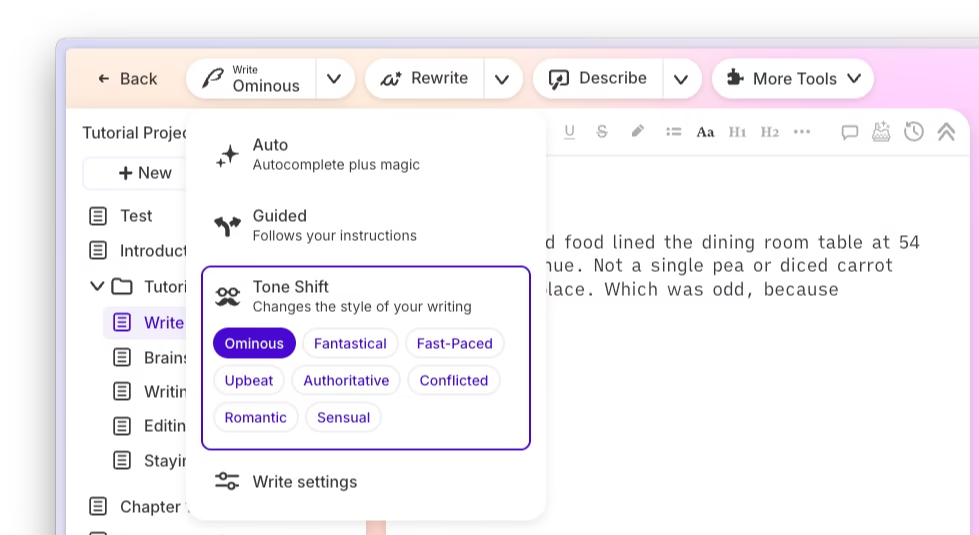
AI fiction writing tools like Sudowrite fall into that second category. Their Muse model was specifically trained on fiction, not Wikipedia articles and customer service manuals. It shows in the output.
What Actually Matters in Fiction AI
Here’s what I’ve learned after testing dozens of these tools: content freedom means nothing if the prose reads like a robot wrote it. The best platforms offer:
- Character consistency across chapters and intimate scenes
- Sensory detail that serves the story, not just titillation
- Pacing control so you can build tension properly
Quality fiction AI doesn’t just generate unrestricted content. It helps you craft scenes that feel authentic to your characters and story world. Whether you’re writing romance, horror, or literary fiction, the tool should enhance your voice, not replace it with generic purple prose.
The Creative Workflow Reality
Most authors I know aren’t looking for AI to write their entire book. Actually, scratch that. Some are, but they’re usually disappointed with the results. What we really need are tools that understand context, maintain continuity, and yes, don’t clutch their digital pearls when the story gets real.
If you’re serious about fiction, consider platforms that integrate with your entire creative process. Think AI image generation for character visualization or publishing platforms that handle distribution once your manuscript is ready.
The goal isn’t just unrestricted content. It’s unrestricted storytelling.