The moment your AI writing tool cuts you off mid-scene is like having someone yank the typewriter ribbon out while you’re typing the best paragraph of your life.
TLDR:
- Most AI writing tools either block mature content or produce lifeless prose when unrestricted
- Fiction-specific AI models understand narrative context better than general-purpose tools with filters removed
- The real challenge isn’t just finding uncensored tools, but ones that maintain literary quality across all content types
The Great Filter Frustration
I’ve been there. Three thousand words into a psychological thriller, my protagonist finally breaking down in a scene that took weeks to set up, and suddenly my AI assistant decides it’s bedtime. Content blocked. No appeals process. Just digital silence where my story used to breathe.
According to recent surveys, 67% of professional novelists now use AI writing tools. Yet most of these tools treat fiction like it’s a corporate memo that accidentally wandered into inappropriate territory. They’re built for business writing, then surprised when novelists want to explore the full spectrum of human experience.
Beyond the Binary of Blocked or Bland
Here’s what nobody tells you about “uncensored” AI writing tools: removing filters doesn’t magically create better prose. I’ve tested plenty of unrestricted models that write mature content with all the literary finesse of a technical manual. Sure, they’ll generate your steamy romance scene, but it reads like someone describing the mechanics of desire rather than capturing its essence.
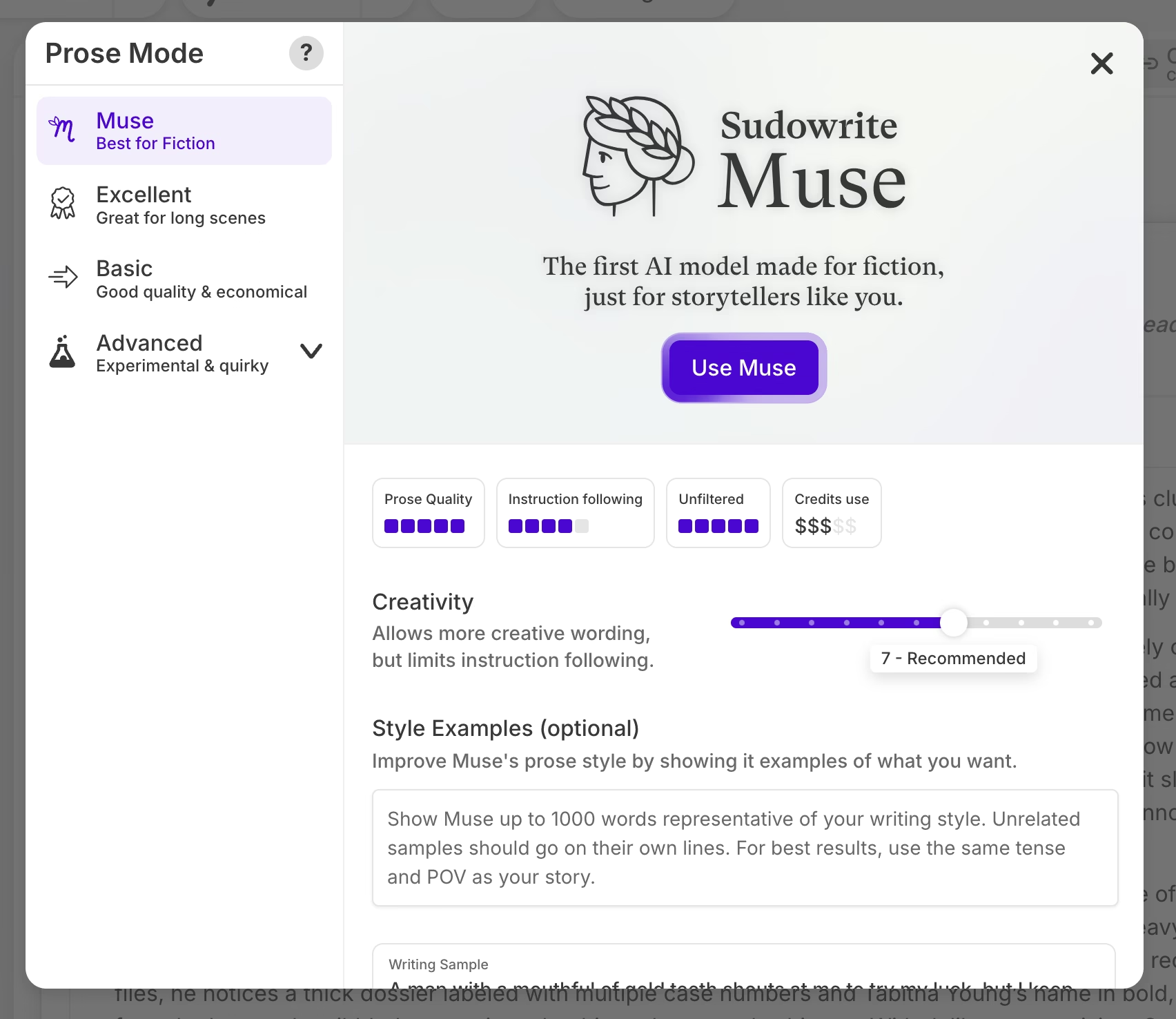
The sweet spot lives in fiction-specific models. Tools like Sudowrite’s AI fiction writing platform understand that mature content isn’t separate from storytelling craft. It’s woven into character development, plot tension, and emotional authenticity.
What Actually Matters
When I’m evaluating AI writing tools now, I look for three things:
- Narrative intelligence: Does it understand pacing, character voice, and sensory detail?
- Content flexibility: Can it handle mature themes without breaking stride?
- Creative partnership: Does it enhance my vision or impose its own sanitized version?
The best AI writing partners don’t just avoid censorship. They understand that great fiction requires emotional honesty, sometimes in uncomfortable territories. Whether you’re crafting horror that genuinely unsettles or romance that actually sparks, you need tools that can match your ambition.
The Practical Reality
Most writers juggle multiple tools anyway. I use different AI assistants for brainstorming, AI image generation for covers, and when I’m ready to publish, platforms like PublishDrive for distributing books and audiobooks. But for the actual writing? I need something that won’t flinch when my story demands authenticity.
The future of AI-assisted writing isn’t about removing all boundaries. It’s about building tools smart enough to understand when those boundaries serve the story and when they strangle it.