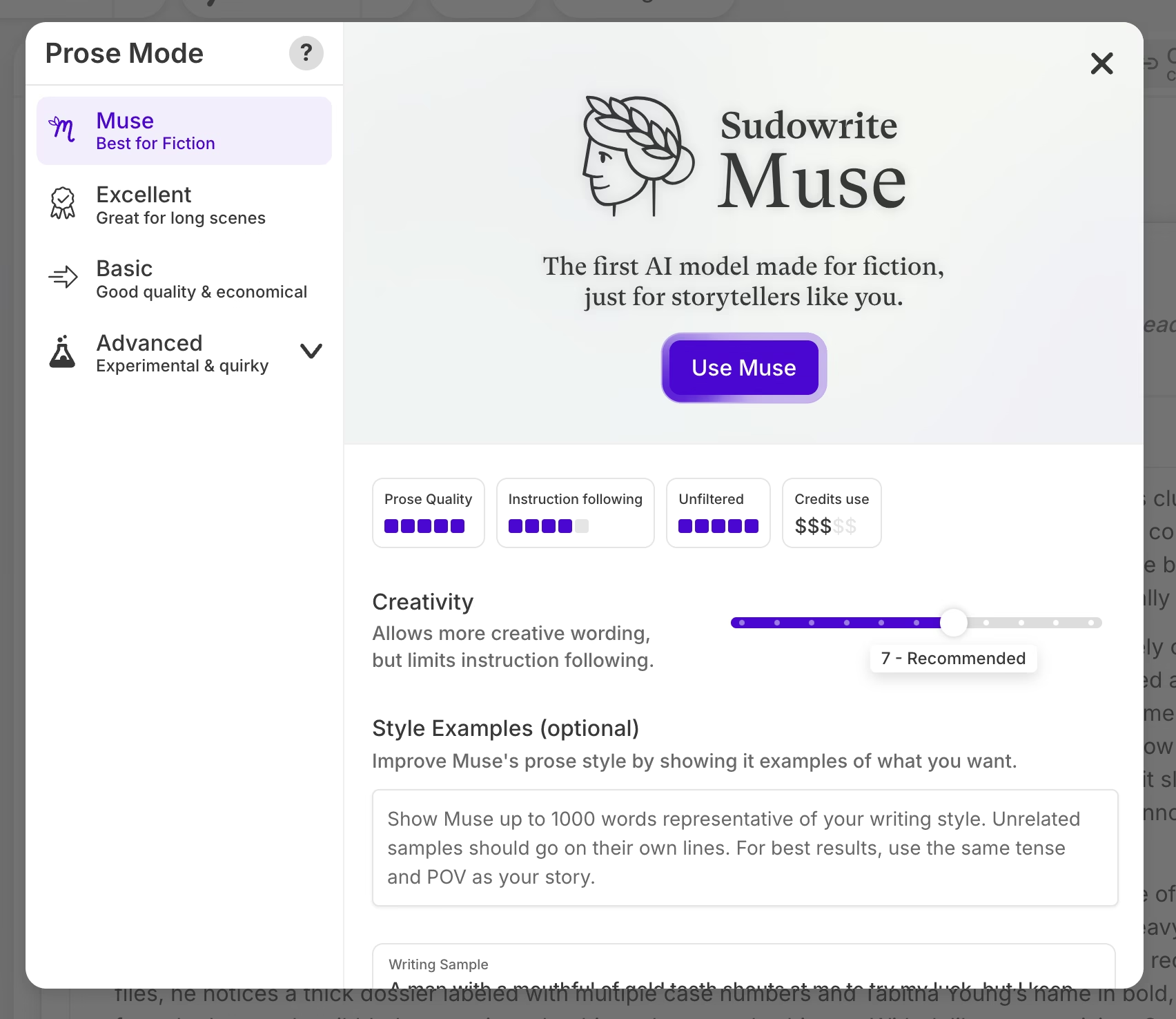
The difference between AI that understands story structure and AI that just strings words together becomes painfully obvious the moment you ask it to write something intimate.
TLDR:
- General AI models produce mechanical, emotionless intimate scenes because they weren’t trained on fiction storytelling
- Fiction-specific AI understands pacing, tension, and emotional arcs that make erotic writing actually engaging
- The right tools can transform amateur writers into competent creators of adult fiction
The Awkward Reality of Generic AI Erotica
I’ve watched writers struggle with ChatGPT’s stilted euphemisms enough times to know the pattern. You get two paragraphs of clinical description, then boom – content warning. It’s like asking a medical textbook to write poetry about desire.
The fundamental issue isn’t prudishness. It’s that these models learned language from Wikipedia entries and Reddit comments, not from novels that understand how tension builds between characters. They can describe actions but they miss the charged silence before a first kiss, the way power dynamics shift, the emotional aftermath that changes everything.
Why Fiction Training Actually Matters
Real erotic writing isn’t just physical choreography. It’s emotional architecture. When AI fiction writing tools are trained specifically on narrative structure, they grasp concepts like:
- Rising tension through delayed gratification
- Sensory layering that engages multiple senses simultaneously
- Character voice consistency during vulnerable moments
- Pacing that mirrors actual human emotional responses
This isn’t about explicit content per se. It’s about understanding that intimate scenes serve story purposes beyond titillation.
The Creative Process Integration
What excites me most about fiction-trained models is how they integrate with the broader creative workflow. You’re not just generating isolated scenes. You can maintain character consistency across thousands of words, build emotional arcs that span chapters, and create AI image generation, commercial licensing materials for covers that match your story’s tone.
The technical capabilities matter less than the creative possibilities they unlock. When your AI collaborator understands story beats, you spend less time fixing awkward transitions and more time developing compelling characters and situations.
The Publishing Reality Check
Here’s the practical consideration nobody talks about: the adult fiction market is enormous and underserved. Romance consistently dominates bestseller lists, yet many writers avoid the genre because they’re intimidated by writing intimate scenes convincingly.
Fiction-trained AI doesn’t replace creativity, but it can help nervous writers develop confidence with emotional vulnerability on the page. Combined with modern publishing books, ebooks, audiobooks platforms, the barrier to entry has never been lower for creators who understand their audience.
The technology isn’t perfect yet, but it’s finally good enough to enhance rather than hinder the creative process.