The awkward truth about most AI-generated romance? It reads like assembling IKEA furniture with your clothes off.
TLDR:
- General AI models produce stilted romance because they’re trained on Wikipedia, not novels
- Fiction-specific AI understands narrative tension and emotional pacing that makes intimate scenes actually work
- The right tools can dramatically cut your writing time while improving quality
The Problem With Vanilla AI Models
I’ll be honest. The first time I asked ChatGPT to write a steamy scene, I got something that sounded like a medical textbook having an identity crisis. Two characters “engaged in physical intimacy” with all the passion of a customer service interaction.
Here’s the thing: most AI learned language from technical documentation, forum posts, and reference materials. They can string together romance novel vocabulary, but they miss the underlying structure that makes fiction actually compelling. No buildup. No emotional stakes. Just anatomical choreography.
Why Fiction Training Actually Matters
Fiction operates on different rules than informational writing. Romance especially requires understanding of:
- Tension arcs that mirror emotional development
- Sensory layering that creates atmosphere
- Character voice consistency throughout intimate moments
- Pacing that respects the reader’s emotional investment
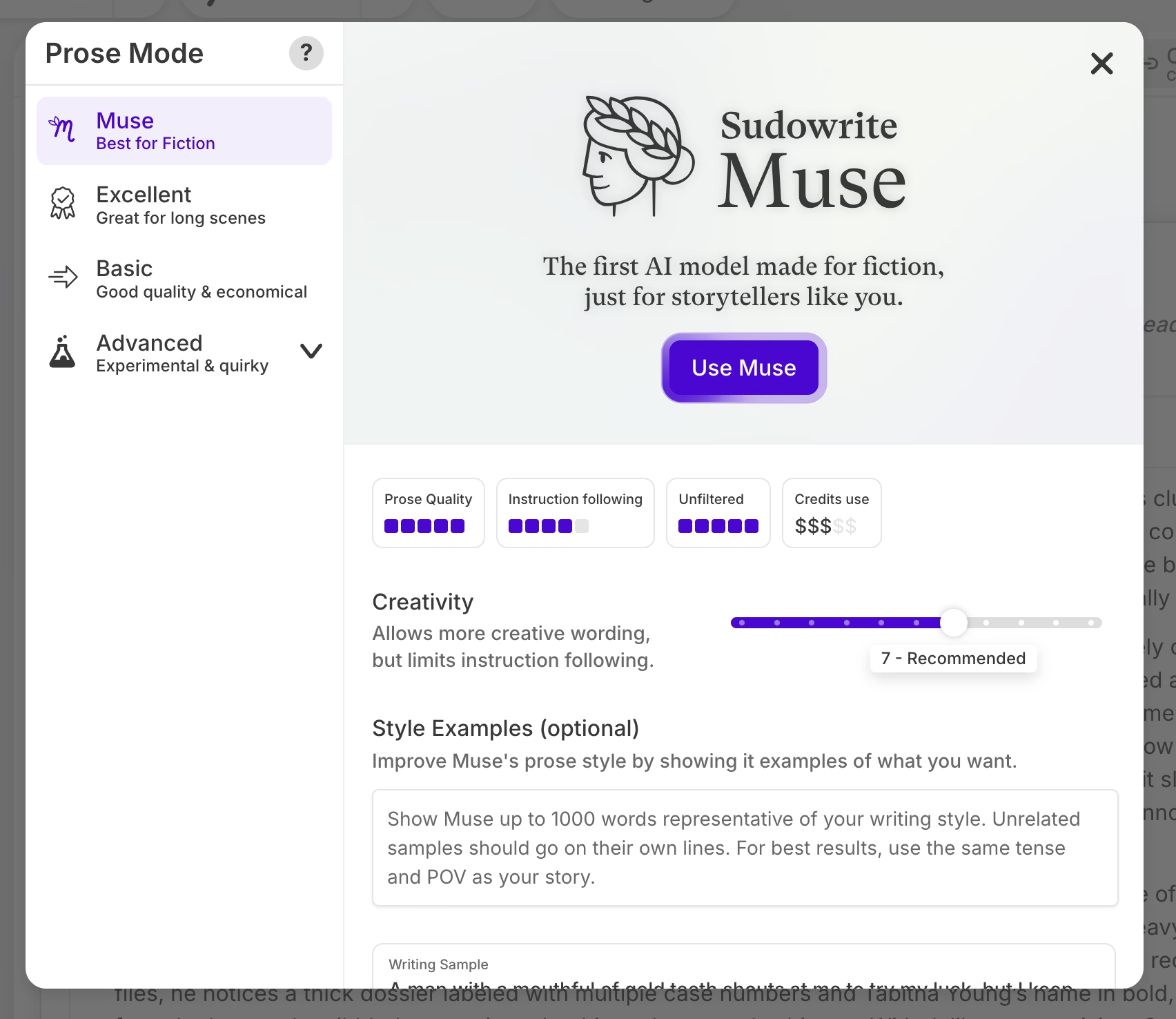
When I discovered AI fiction writing tools designed specifically for narrative work, the difference was immediately obvious. Instead of clinical descriptions, I got prose that understood how anticipation works, how power dynamics shift, how aftermath affects character relationships.
The Creative Workflow Revolution
Modern romance writing increasingly involves multimedia elements. Authors are pairing their manuscripts with custom cover art from AI image generation, commercial licensing platforms, then moving directly to publishing books, ebooks, audiobooks without traditional gatekeepers.
This democratization means quality storytelling matters more than ever. Readers have endless options, so your AI-assisted prose better deliver genuine emotional engagement.
What Actually Works
Fiction-trained models understand context deeply. They read your existing character development, relationship dynamics, and story arc before generating new content. Instead of generic interactions, you get scenes that feel inevitable given everything that came before.
The creativity controls let you dial up experimental language or keep things conventionally romantic. No content filters interrupting your workflow with pearl-clutching warnings about consenting adults.
I’ve watched my own writing process transform. What used to take weeks of revision now flows naturally in first drafts. The AI doesn’t write for me, but it understands storytelling well enough to be a genuinely useful collaborator rather than a fancy autocomplete.