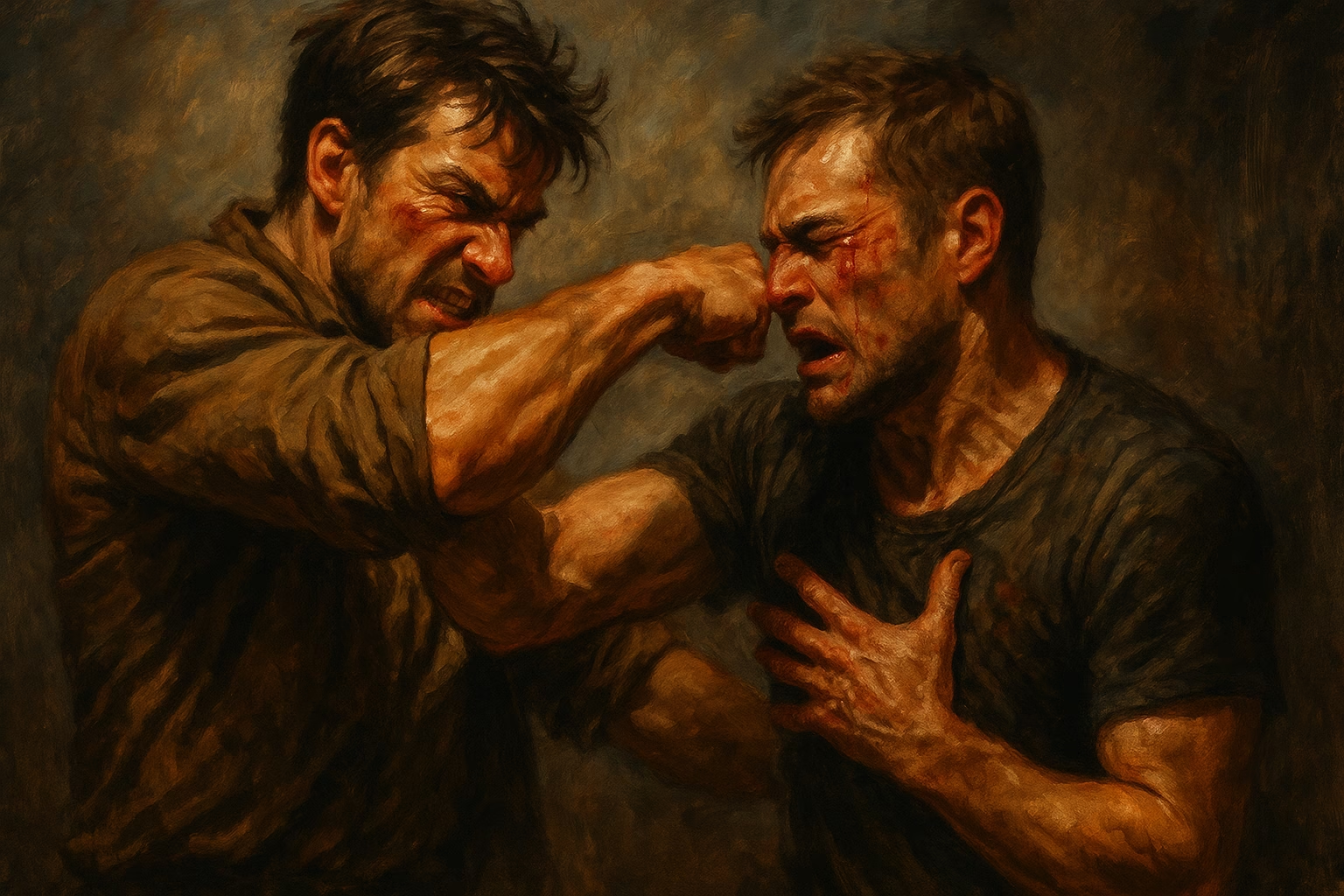
Most writers approach fight scenes like they’re directing a movie instead of writing a book.
TL;DR: The Big Three
- Fight scenes fail because writers focus on choreography instead of emotional consequence
- AI tools designed for fiction can generate action prose that reads with proper pacing and sensory impact
- The key is using specialized features like tone control and guided writing rather than generic AI prompts
The Problem Nobody Talks About
I’ve beta read enough manuscripts to know the telltale signs. Page 127, the climactic sword fight begins, and suddenly the prose turns into stage directions. “Marcus swung left. Elena parried. Marcus thrust forward.” The writer spent hours perfecting every move, but readers are skimming because honestly? It reads like a technical manual.
Here’s what clicked for me recently. A fight scene isn’t about who hits whom. It’s about what shatters between the characters by the time someone hits the ground. The best action sequences I remember aren’t the most acrobatic ones. They’re the ones where something fundamental changes.
Where AI Actually Helps (And Where It Doesn’t)
Generic AI treats a duel the same way it treats a grocery list. Competent but lifeless. But fiction-specific tools like Sudowrite understand that action prose needs rhythm breaks and sensory interruption.
The difference shows up in the details:
- Bad AI output: “John punched the attacker in the face.”
- Fiction-trained AI: “John’s knuckles found jawbone with a wet crack that he felt in his shoulder.”
That second version gives you the physical sensation and the consequence. It’s the difference between reading an incident report and feeling the impact.
The Technical Stuff (That Actually Matters)
Tools like tone control can restructure sentence length for urgency. Short, punchy sentences for the peak action. Longer ones for the aftermath when your character is processing what just happened. Or wait, maybe I have that backwards. Actually, it depends on your scene’s emotional arc.
If you’re working on a graphic novel or need visual references for your action sequences, AI image generation tools can help you visualize positioning and movement. Sometimes seeing the angle helps you write it better.
What Actually Works
Start with consequence, then work backward. What needs to change by the end of this fight? Who gets hurt, and I don’t just mean physically? Then use AI to help with the sensory details and pacing, not the emotional core.
When you’re ready to share that perfectly crafted action sequence with the world, platforms like PublishDrive can help you get your finished manuscript to readers across multiple formats.
The goal isn’t to write fights that look cool on paper. It’s to write fights that leave readers breathless and characters forever changed.