Romance writers are discovering that their biggest writing obstacle isn’t writer’s block anymore, it’s getting an AI to stop blushing at chapter twelve.
TLDR:
- Mainstream AI tools like Claude treat romance and erotica writers like digital pariahs, unable to distinguish between literary content and harmful requests
- Account bans are real consequences, with writers losing access, conversation history, and paid subscriptions for repeated policy violations
- The romance market represents nearly 20% of adult fiction sales, yet remains dramatically underserved by AI writing technology
The Awkward Reality Check
I remember the first time I watched a friend try to get Claude to help with a perfectly tame kiss scene between her vampire protagonists. Three polite refusals later, she was staring at her screen like she’d just been scolded by a particularly prudish librarian. The irony? Romance fiction generates billions in revenue annually, while AI companies pretend it doesn’t exist.
Here’s what’s actually happening: these models undergo training that essentially gives them digital stage fright around anything remotely steamy. They can’t tell your carefully crafted romantic tension from a bad faith request because they operate on pattern recognition, not literary merit.
The Stakes Are Higher Than You Think
Account termination isn’t just a theoretical threat. Writers are losing access to tools they’ve paid for, along with months of conversation history and custom prompts. Anthropic’s terms don’t mess around when it comes to repeated violations.
But here’s the thing that really gets me: a Syracuse University study found that Claude maintains “absolute prohibition” regardless of creative context. Your beautifully written love scene gets the same treatment as the worst possible content you can imagine. The nuance is completely lost.
Finding Tools That Actually Get It
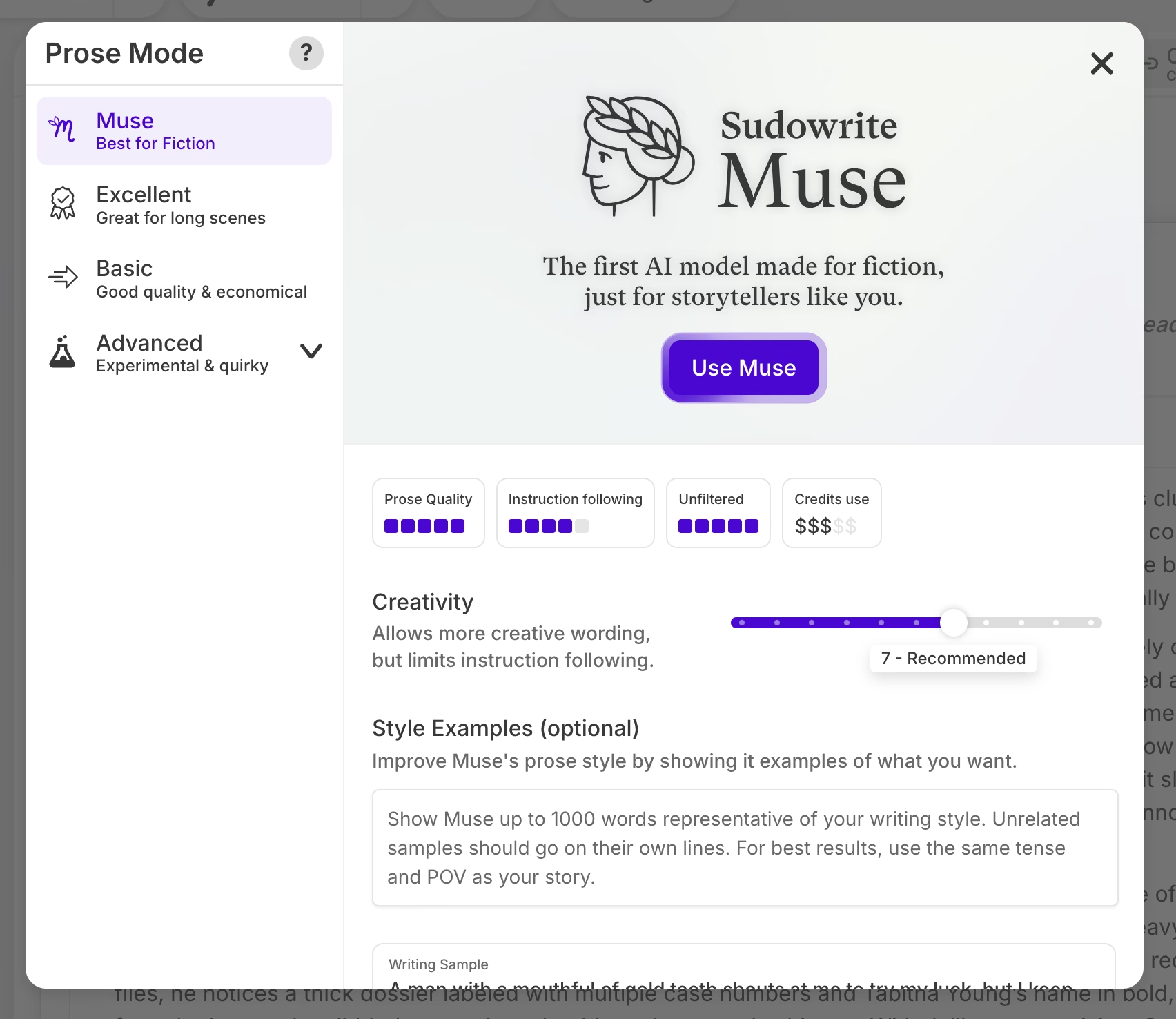
Thankfully, some platforms understand that fiction writers need, well, fictional freedom. Specialized AI fiction writing tools often have more nuanced policies that recognize literary context. Similarly, if you’re creating book covers or promotional materials, AI image generation platforms with commercial licensing might offer more flexibility than mainstream options.
What Actually Works
- Research tools specifically designed for creative writing
- Look for platforms that explicitly welcome fiction writers
- Test boundaries carefully with throwaway accounts first
- Keep backups of important work elsewhere
The Bigger Picture
Romance saw a 52% sales surge in 2023, yet 34% of AI users cite content restrictions as their reason for switching platforms. That’s not just a policy problem, that’s a massive market disconnect.
When you’re ready to publish your work, platforms like comprehensive publishing services understand that romance and erotica represent legitimate, profitable genres with dedicated readerships.
The real tragedy? We’re watching incredible technology stumble over one of literature’s oldest and most universal themes. Love scenes have existed since literature began, but apparently that’s news to Silicon Valley.