Why Fictional Characters Feel More Real Than Your Neighbors

Memorable fictional characters often feel more real than actual people because they combine relatable flaws with unique traits that stick in our minds. Modern AI tools are revolutionizing character creation while expanded publishing options give these compelling personalities more ways to reach readers.

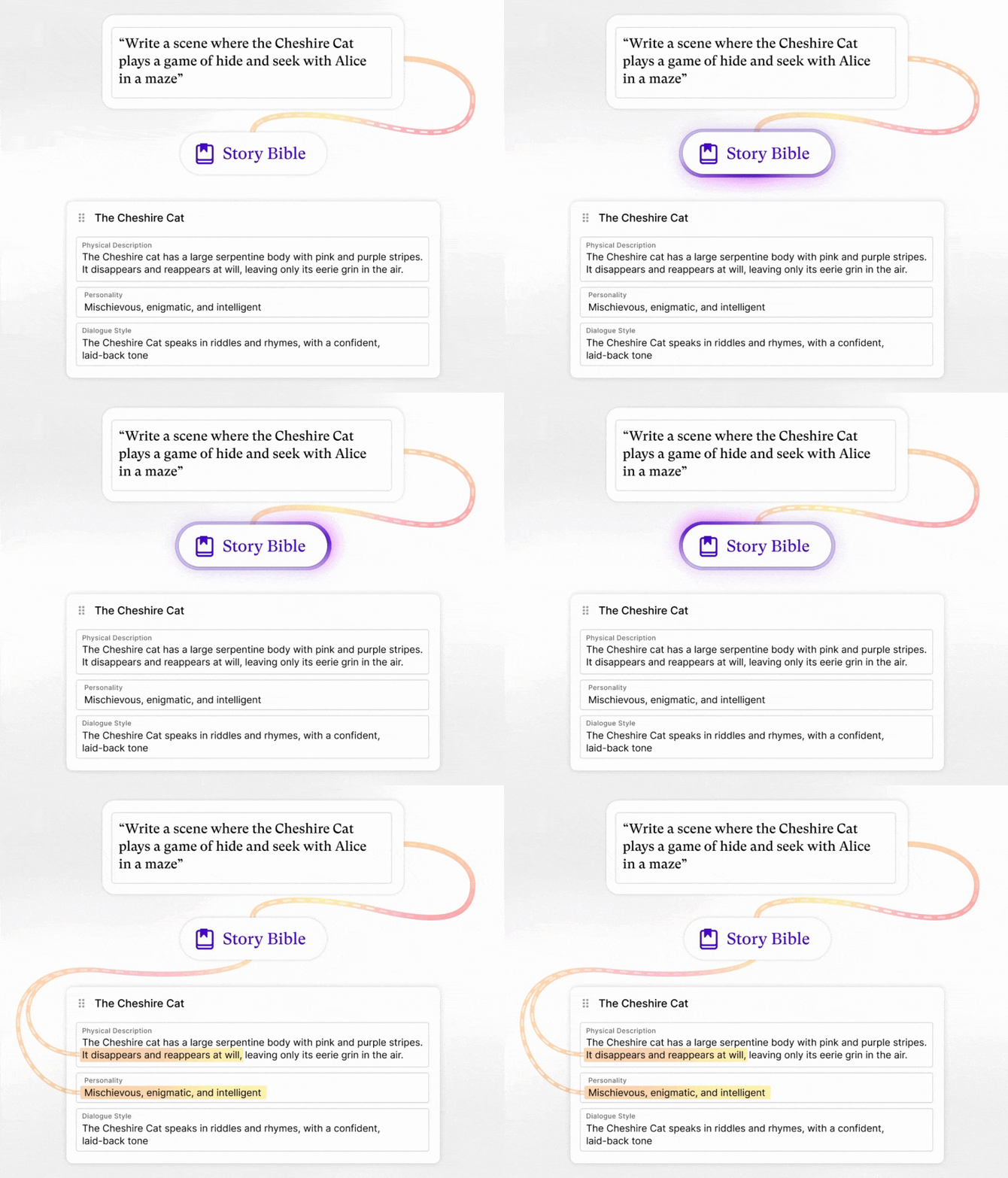
Why Your Sci-Fi Universe Keeps Breaking (And How AI Can Fix It)

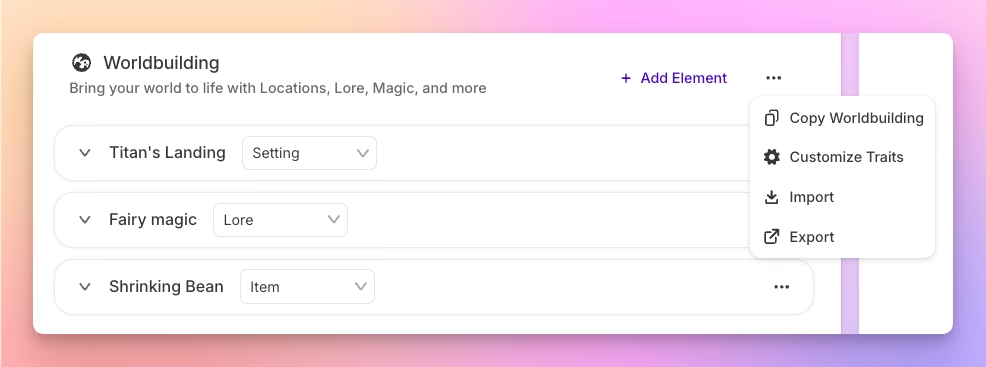
Science fiction writers face a unique challenge: maintaining technical consistency across sprawling universes where every established rule becomes a promise to readers. This post explores how specialized AI tools can help track complex worldbuilding details that human memory often fails to maintain at novel-length scale.

Why I Finally Stopped Fighting AI and Started Writing Faster

A seasoned writer’s honest take on how AI fiction tools transformed their creative process from frustrating standstills to productive flow states. Discover why the real revolution isn’t about replacing creativity, but eliminating the tedious roadblocks that kill writing momentum.

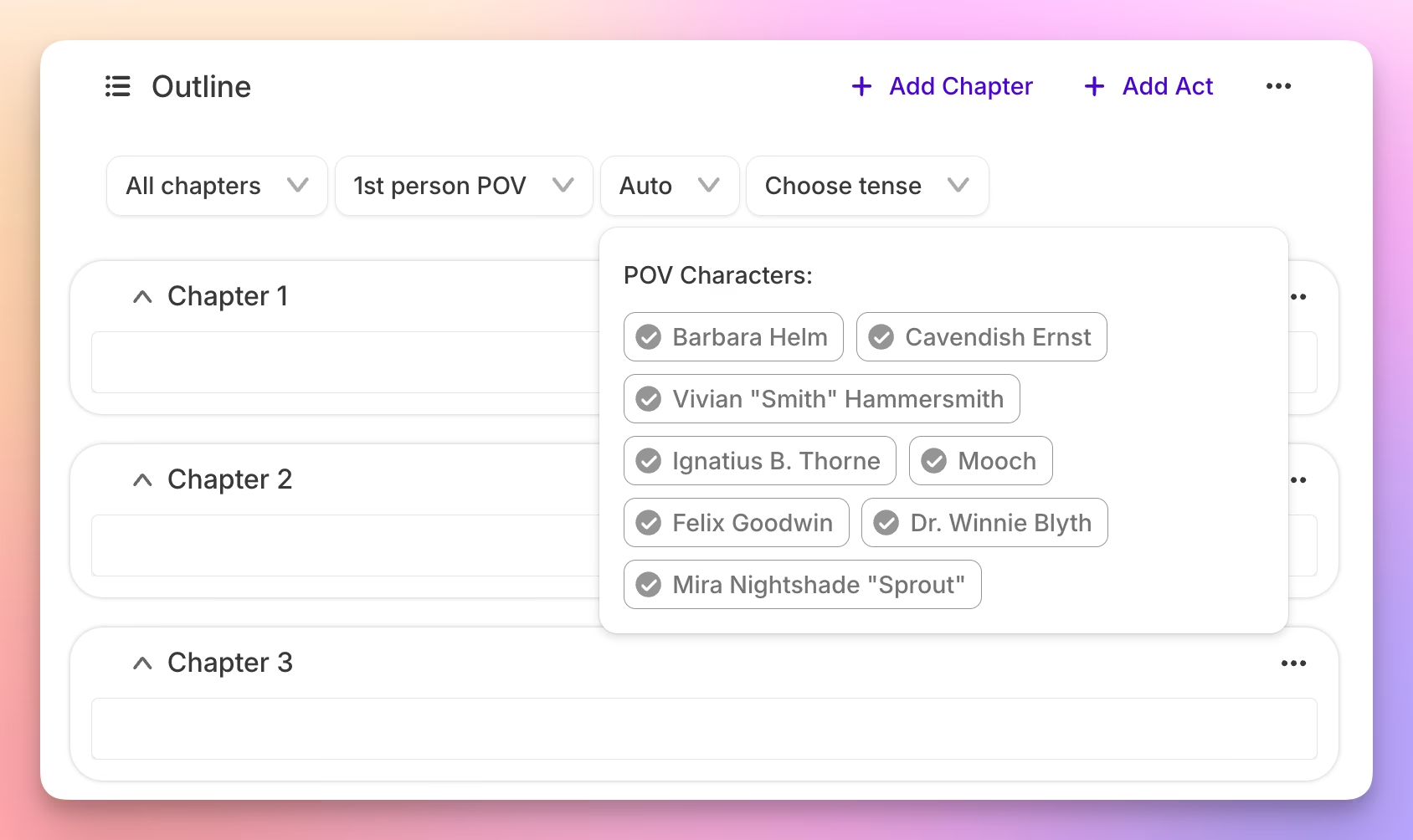
The Screenwriter’s Secret Weapon: How AI Finally Gets Visual Storytelling

While 67% of professional writers now use AI tools, most platforms treat screenplays like blog posts with fancy formatting. The revolution happens when AI finally understands visual storytelling, character voice, and the architectural demands of three-act structure.

When Every Word Counts: How AI Is Quietly Revolutionizing Short Fiction

Short fiction demands precision that most AI tools can’t deliver, but fiction-trained AI is changing how writers approach the brutal economics of storytelling in under 5,000 words. The key isn’t replacing creativity but enhancing the craft of making every sentence count.

Why Your Fanfic Characters Keep Changing Eye Color (And How AI Can Fix That)

Long-form fanfiction writers face a unique challenge: maintaining character consistency and canon details across hundreds of thousands of words. Specialized AI writing tools can solve this continuity crisis by tracking story details and preserving character voices, letting writers focus on crafting compelling scenes instead of hunting through their own text for forgotten plot points.

The Art of Creative Goal-Setting: What 2026 Really Means for Independent Authors

Setting creative goals for 2026 requires balancing artistic vision with rapidly evolving technology and distribution methods. Independent authors must expand their definition of success beyond traditional metrics to include creative fulfillment and sustainable practices.

Item added to cart.
0 items - $0.00