When Your Novel Feels Like a Jigsaw Puzzle: Why Visual Planning Actually Works
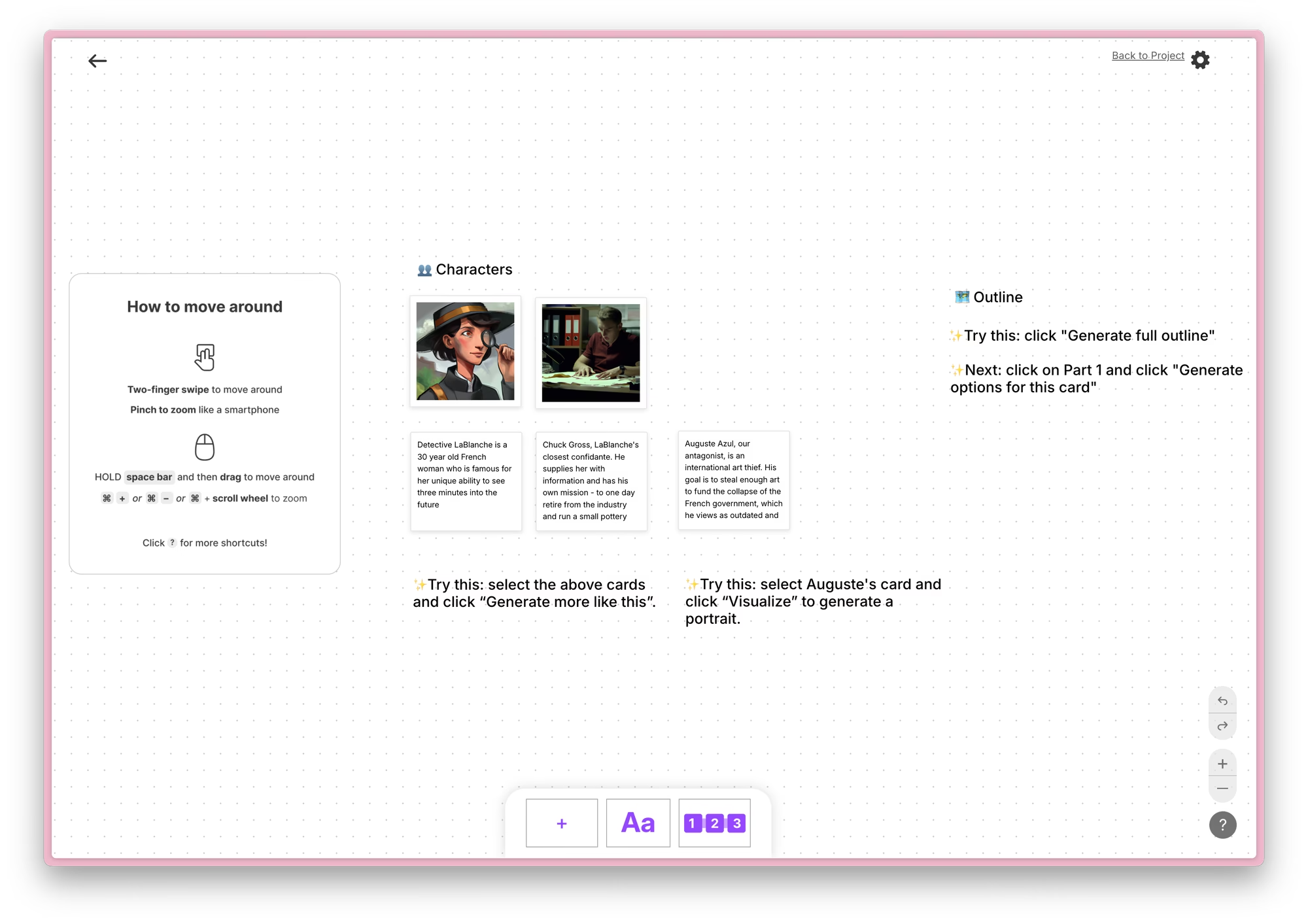
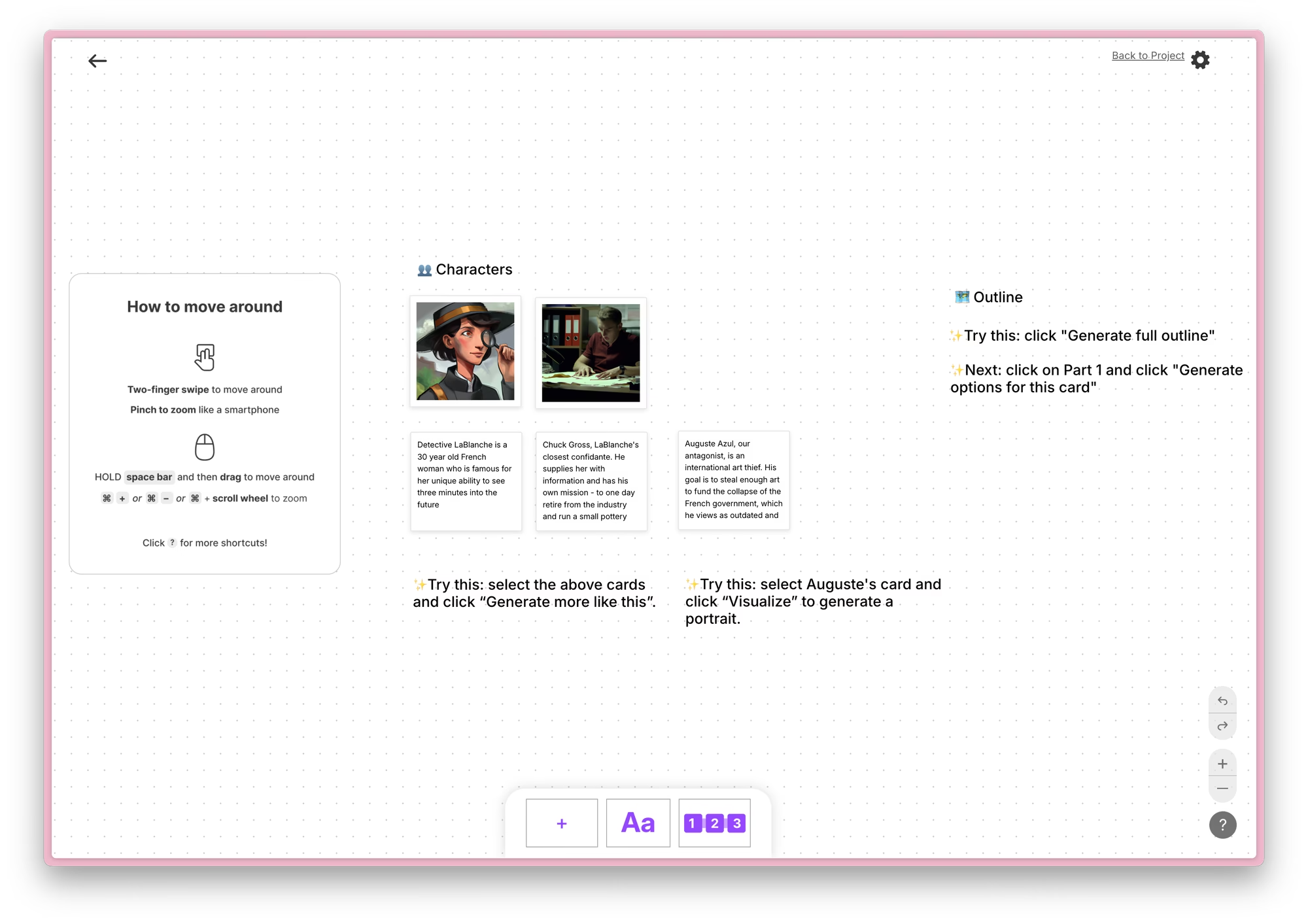
Visual story planning isn’t about killing creativity, it’s about giving your creative brain a map you’re allowed to redraw. With 79% of writers who outline actually finishing their first draft, spatial planning tools are changing how we approach novel structure.
TokyoPop’s Kids Gambit: Why Manga Meets Middle Grade Might Just Work

TokyoPop’s new children’s imprint launching this fall represents more than market expansion—it’s a strategic response to how young readers actually consume stories today. The success of TokyoPop Kids will depend on balancing manga’s visual appeal with children’s literature standards.

The Quiet Revolution: Why Comics Are Becoming Publishing’s Secret Weapon

Frankfurt Book Fair’s new Comics Business Center highlights a growing opportunity for indie creators. The comics medium offers unique advantages including visual storytelling, global appeal, and emerging digital platforms that bypass traditional publishing gatekeepers.

Why Your Novel Planning Feels Like Creative Prison (And How Visual Mapping Sets You Free)

Visual story planning transforms chaotic manuscripts into coherent narratives by letting writers see their entire story structure at once. Rather than constraining creativity, spatial planning tools help authors finish novels faster while maintaining the flexibility to adapt and evolve their ideas.

The Screenwriter’s Secret Weapon: How AI Finally Gets Visual Storytelling

While 67% of professional writers now use AI tools, most platforms treat screenplays like blog posts with fancy formatting. The revolution happens when AI finally understands visual storytelling, character voice, and the architectural demands of three-act structure.

Item added to cart.
0 items - $0.00